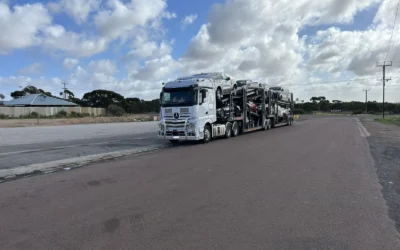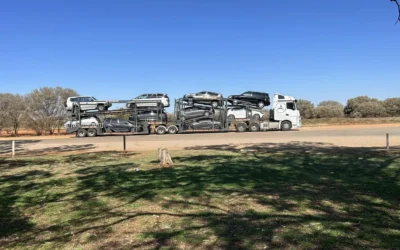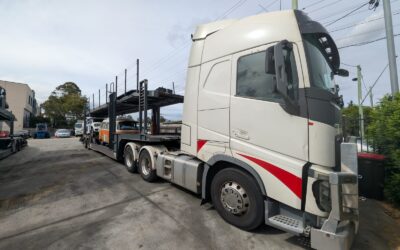
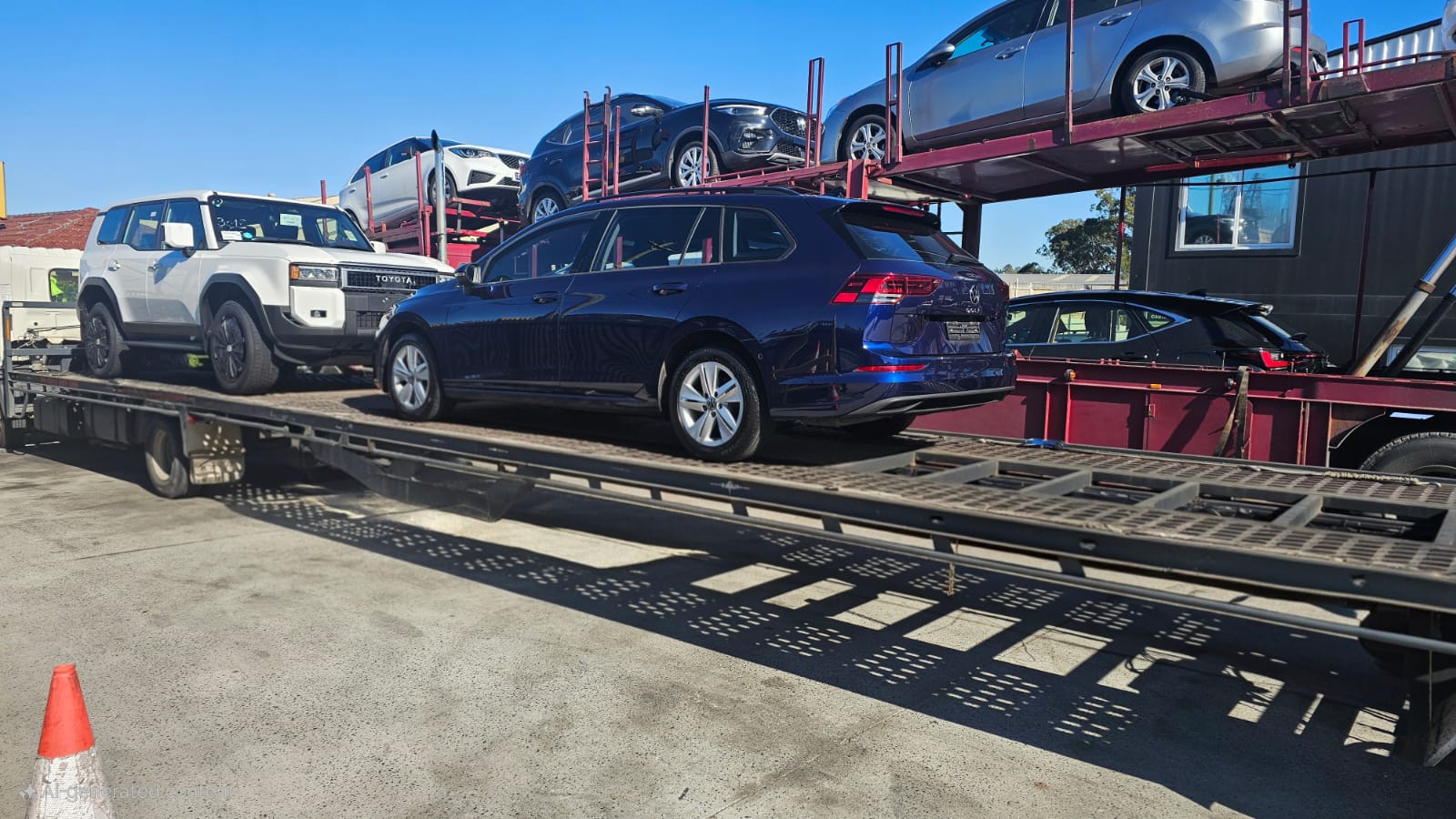
You book a carrier, hand your car over at your door or at a depot, and a professional driver moves it on a multi-vehicle truck to your destination city. Geelong sits about an hour from Melbourne’s depot network, so most Geelong pickups link up with the main interstate routes to Sydney, Brisbane, Adelaide, Canberra and Perth. Unicorn Car Transport handles door-to-door and depot-to-depot bookings, in open or enclosed carriers.
Why Geelong Drivers Are Asking About Car Shipping Right Now
Geelong isn’t the “quiet neighbour of Melbourne” anymore. People move here for the coastline, the lifestyle and the jobs. Just as many leave for work in Sydney, Brisbane or Perth, or because a partner got a transfer. Either way, there’s a car that needs to go with them.
Driving it yourself sounds simple until you count the days off work, the fuel, the motels, and the wear on a car you’d like to keep in good shape. For many families, interstate car transport from Geelong simply makes more sense. You fly, your car travels separately, and the two of you meet at the other end.
This guide covers what to expect in 2026, from the first quote to the moment you get your keys back.
How Interstate Car Transport in Geelong Actually Works
Here’s the process in plain English.
- You request a quote. Tell us the vehicle make and model, the pickup suburb, the delivery city and your preferred timeframe. A quote request takes a couple of minutes on our quote page.
- You pick a service type. That’s door-to-door or depot-to-depot, plus open or enclosed. We explain each below.
- Your car is collected and inspected. The driver notes the vehicle’s condition on paperwork, and you both sign off.
- Your car travels on a carrier. It’s strapped onto a purpose-built truck with other vehicles heading the same way.
- You’re kept in the loop. You get updates on progress, so you’re not left wondering where your car is.
- Delivery. You inspect the vehicle on arrival, compare it with the pickup notes, and sign.
It’s a simple process. Most of the stress comes from not knowing what’s coming, so knowing the steps already takes a lot of it away.
Car Transport Geelong to Melbourne: The Gateway to Every Route
Almost every interstate journey from Geelong touches Melbourne first. The Princes Freeway connects the two cities, around 75 kilometres apart. Carriers running Melbourne to Sydney, Adelaide or Brisbane collect vehicles from the wider region as part of those runs.
That’s why Geelong to Melbourne matters more than it seems. If you choose depot-to-depot, you may drop your car at a Melbourne-area depot. If you choose door-to-door, the carrier collects from your address, whether that’s in Geelong, Torquay, Lara or Ocean Grove, and brings it into the main corridor. Either way, your car connects with the trucks that leave Melbourne every week.
Some customers also need a simple car transport Geelong to Melbourne job, with no interstate leg. The car might be going to a dealer, an auction, a storage facility or a family member. Short metro-to-metro moves like this are common, and they’re a sensible way to avoid a day of driving back and forth.
Door-to-Door vs Depot-to-Depot
This is the biggest decision after the destination.
Door-to-door. The carrier collects from your address and delivers as close to the destination address as a large truck can safely get. Some narrow streets and tight cul-de-sacs won’t allow a full-size carrier, in which case the driver will arrange a nearby meeting point. This option suits busy families, people relocating with a lot to organise, and anyone who’d rather not travel to a depot.
Depot-to-depot. You drop the car at a depot near you and collect it from a depot near your destination. This can be a good fit when your schedule is flexible and you’re happy to handle the handover yourself. We’ve written a full breakdown in our depot-to-depot car transport guide.
Which one should you pick? If convenience is your priority, choose door-to-door. If flexibility on timing and location is your priority, depot-to-depot deserves a look. Our team can talk you through both when you ask for a quote.
Open Carrier or Enclosed Carrier?
Open transport is the standard. Your car rides on an open multi-vehicle truck, secured with straps and wheel restraints. Most everyday cars travel this way, and it’s how the majority of vehicles get around Australia.
Enclosed transport puts your car inside a covered trailer, protected from rain, dust, sun and road debris. People choose it for classic cars, luxury and performance vehicles, freshly restored projects and anything with paint they’d hate to see chipped.
There’s no wrong answer. The question is how much protection your particular car warrants. A 12-year-old hatchback and a collector’s coupe don’t need the same thing.
Popular Interstate Routes From Geelong
Geelong vehicle transport interstate tends to follow a few well-worn paths.
- Geelong to Sydney: one of the busiest corridors in the country, running up the Hume Highway. Frequent departures make scheduling relatively flexible.
- Geelong to Brisbane: a longer run, usually travelling via Sydney. Popular with people relocating for work or lifestyle.
- Geelong to Adelaide: a well-serviced route. Take a look at our Adelaide interstate car transport page for details.
- Geelong to Canberra: shorter than the others, with regular services through the Hume corridor.
- Geelong to Perth: the big one. It’s one of the longest road journeys in the country, so planning ahead matters. Our Sydney to Perth guide covers the crossing in detail, and most of it applies to any Perth-bound car.
A note on Tasmania. Geelong is also where Bass Strait vehicle traffic begins. The Spirit of Tasmania’s Victorian terminal is at Spirit of Tasmania Quay, 136 Corio Quay Road in North Geelong, which opened in October 2022. GeelongPort describes a marshalling area for 600 passenger vehicles and parking for 150 semi-trailers. If your car is heading to Tasmania, ask us about the best way to handle the crossing when you request your quote.
Know Your Destination’s Rules Before You Ship
A smooth delivery isn’t only about the truck. Each state has its own rules, and a few minutes of reading can save days of hassle.
Sending a Car to Western Australia
WA is the strictest. The state runs border checkpoints as its first line of defence against pests, weeds and diseases arriving on freight and cargo, as DPIRD’s Quarantine WA information explains. Interstate freight arriving by rail and sea gets assessed, and vehicles are expected to be free of soil and plant material, according to the Department’s traveller guidance.
So before your car leaves Geelong for Perth:
- Wash it thoroughly, and don’t skip the wheel arches and undercarriage.
- Clean the engine bay and vacuum the boot and interior.
- Remove all food, plants, seeds and garden items.
- Check the spare-wheel compartment. Soil hides there.
A clean car clears inspection more easily, and a dirty one can be held up.
Bringing a Car Into Victoria
If you’re a Geelong resident buying a car interstate, or moving here with your own, you’ll need to re-register it. VicRoads says you must book an appointment, because you can’t register a vehicle from another state online. Bring your paperwork and your interstate plates.
VicRoads also notes that a roadworthy certificate isn’t needed in some cases. For a car from NSW, Queensland, SA, WA or the NT, it applies if the registration is current (or expired less than three months ago) and stays in the same name. Rules can change and every situation is different, so check the VicRoads page for your circumstances before you book.
How to Prepare Your Car for Pickup
A few simple habits make handover easy for everyone:
- Wash the car. It makes the pre-transport inspection clearer, and it’s essential for WA.
- Take photos. Photograph all sides, the roof, the interior and the odometer, with timestamps. It’s good practice, and it takes five minutes.
- Remove personal items. Carriers generally require an empty car for safety and insurance reasons. Loose items can also shift in transit.
- Keep fuel low. A quarter of a tank is usually plenty.
- Note existing damage. Point out scratches and dents to the driver at pickup so they’re recorded.
- Secure or remove accessories. That includes roof racks, removable aerials, toll tags and loose spoilers.
- Hand over spare keys and instructions. If the car has quirks, such as a sticky boot or a particular start-up routine, tell the driver.
First time doing this? Our first-time interstate shipping guide walks through the common worries.
Is Your Car Covered During Transport?
It’s the question we hear most, and it deserves a straight answer.
Your personal car insurance is designed around you as the driver. Once your car becomes cargo on a truck, the carrier’s transit and public liability cover is what applies. The details, including exclusions, excess and claims process, differ between providers, so always ask for them in writing before you book.
Our interstate car transport insurance guide explains how the pieces fit together, and what to ask.
How Long Does Interstate Car Transport From Geelong Take?
The honest answer is that it depends. Distance, route, weather, road conditions, carrier schedules and how many stops are on the run all play a part. Broadly, most interstate moves take somewhere between a few days and a week, and longer routes such as Perth can take more.
Anyone promising a guaranteed delivery hour is overpromising. What you can reasonably expect is a realistic window, clear communication and a heads-up if something changes.
A practical tip: book early if you have a firm deadline, like a settlement date, a flight or a job start. Flexibility on your pickup date can also make scheduling easier.
What to Look For in a Geelong Car Transport Provider
You don’t need to be an expert to pick a good one. Ask these questions:
- Are you insured for transit, and can I see the details?
- Do you offer both door-to-door and depot-to-depot?
- Can I choose open or enclosed transport?
- How will you keep me updated?
- What happens if the delivery window changes?
- Do you inspect and document the car at pickup and drop-off?
- Is the quote clear about what’s included?
A provider who answers these plainly and without fuss is usually one worth talking to. If you’d like a broader overview first, our complete guide to car transport in Australia covers the whole process.
Frequently Asked Questions
Can I ship my car from Geelong if it doesn’t run?
Often, yes, but tell us up front. A non-running car needs a winch or special loading equipment, which changes how the job is planned.
Do I need to be present at pickup and delivery?
You or a trusted representative should be there to sign the paperwork and hand over the keys. Talk to us if you can’t attend.
Can I leave things in the car?
Generally no. Most carriers require an empty vehicle for safety and insurance reasons.
Is car shipping from Geelong to Melbourne available as a standalone service?
Yes. Local moves for dealers, buyers, storage and family handovers are common.
Can I ship an electric vehicle?
Usually, yes. Mention the make and model when you request your quote so the carrier can plan for loading and battery considerations.
What’s the difference between car shipping Geelong and car transport Geelong?
Nothing meaningful. Both terms describe moving a vehicle by carrier. Most Australians say “car transport”, and “car shipping” is common too.
How do I get a quote?
Fill in the quote form with your vehicle details, pickup suburb and destination.
Ready to Move Your Car From Geelong?
Whether it’s a family SUV heading to Brisbane, a classic bound for Sydney or a runabout going to Perth, the goal is the same. The car arrives in the condition it left, and you don’t have to think much about how.
At Unicorn Car Transport Australia, we’ll walk you through your options, explain what’s covered and match the service to your vehicle and timeline. Request your free quote today and tell us where your car needs to go.