
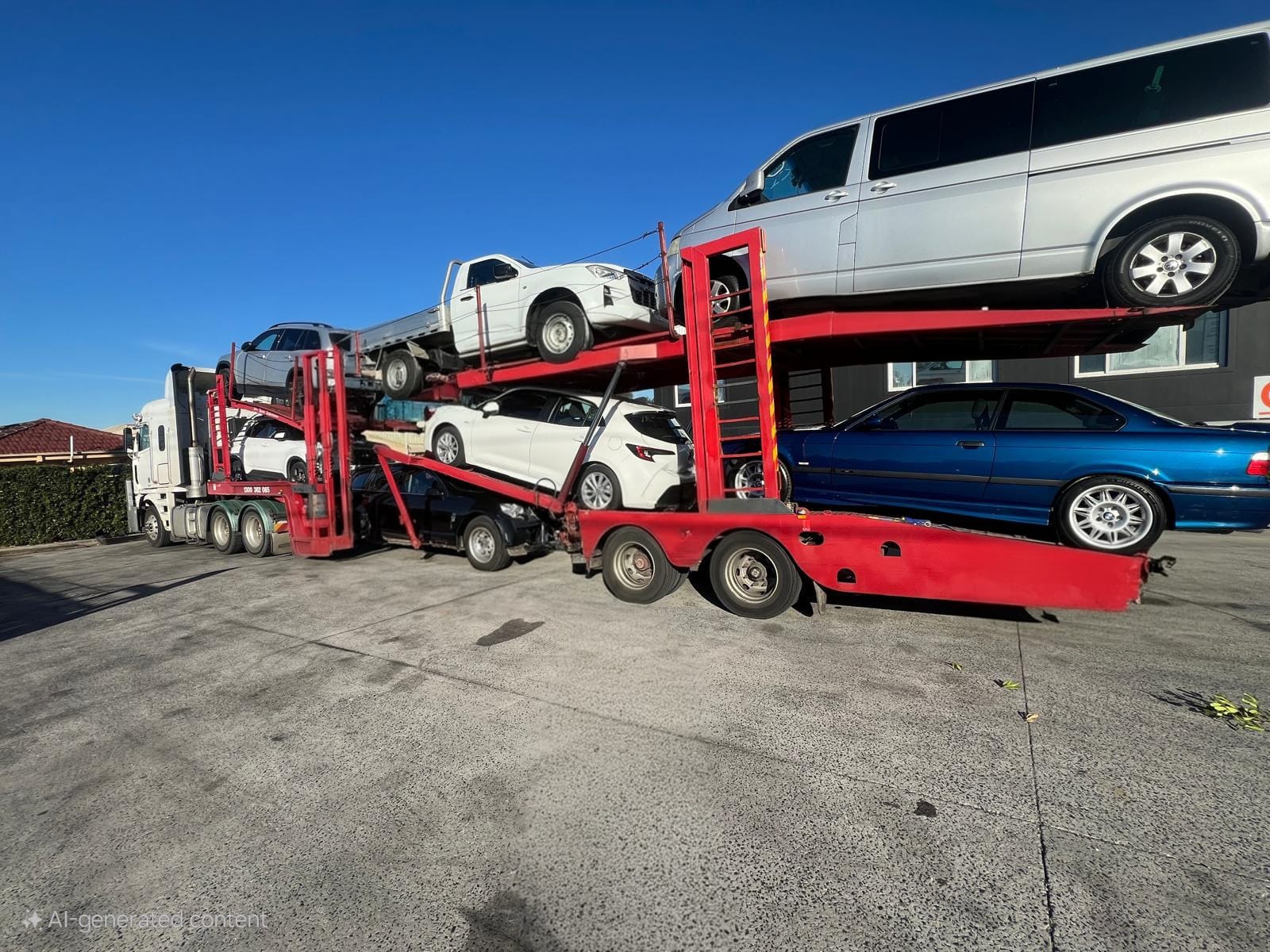
Classic car import Australia is about more than moving a vehicle from one country to another. Owning a classic car means preserving history, craftsmanship, and engineering passion. I have watched owners talk about their cars and seen how classic vehicles bring people together across generations. For many Australian enthusiasts, importing a dream classic becomes part of the journey when the right model cannot be found locally.
What Is the 25-Year Rule?
The 25-year rule, in Australia lets owners import vehicles that’re 25 years old or older without having to meet Australian Design Rules. The vehicles do not need to go through compliance modifications. The vehicles qualify under the Specialist and Enthusiast Vehicle Scheme or, under the pathways for vehicles. I have seen the 25-year rule help many people bring in vehicles.
We calculate the vehicle age from the month and year of manufacture not from the model year or the registration date. The vehicle age matters because a few months less can cause the vehicle to be refused entry. I always check the vehicle age before I try to get the vehicle into a place.
I think the rule helps classic car owners bring in iconic models. Rare and iconic models never sold in Australia. Were made in limited numbers.
Why the Rule Exists
I have seen that modern vehicles must follow the safety, emissions and design regulations. I have seen that applying the safety, emissions and design regulations to vehicles often makes importing older vehicles impossible or too costly. For anyone considering classic car import Australia, the 25-year rule is the most important regulation to understand.
The 25-year rule says that classic cars are kept in shape are driven a little and are liked for their original look instead of being used every day. I see that the 25-year rule protects Australia’s safety standards and still lets enthusiasts own and enjoy vehicles legally. The 25-year rule works.
I am showing the vehicles that qualify under the rule.
When a car reaches 25 years old the car is eligible, for import. Most passenger vehicles can be imported, including:
Classic European sports cars
Japanese performance icons
American muscle cars
Limited-production or discontinued models
I always check that the vehicle stays in the configuration. Heavy structural modifications or engine swaps can cause approval problems. Heavy structural modifications or engine swaps must be disclosed before shipping.
Import Approval and Documentation
When I ship a car to Australia, I first get an import approval, from the Department of Infrastructure. The import approval proves that the classic car follows the 25-year rule.
The key documents usually include:
Proof of vehicle age and manufacture date
Purchase invoice or ownership records
Vehicle identification details
Shipping and export documentation
If you do not get approval before the vehicle arrives you will pay storage fees for the vehicle. You will cause a delay, for the vehicle. You may have to ship the vehicle at the the owner’s expense.
Transporting a Classic Car Safely
I see that after the approval is given the transport process becomes the stage. I see that classic cars need care, then regular cars. I see that low ground clearance, trim and original paint on cars all need special handling.
At Unicorn Car Transport Australia, the classic vehicle transport is a preservation job, not a logistics job. The enclosed carriers keep the vehicle transport safe. The soft strap securing systems hold the classic vehicle transport firmly. The experienced operators guide the vehicle transport carefully. The enclosed carriers, the strap securing systems and the experienced operators protect the vehicles from damage during the transit.
When I ship the car from a port to a collection the car, to a restoration workshop or the car to an event location I pick a transport provider who knows cars. Choosing a transport provider, with car experience is essential.
Costs and Considerations
I see that the 25-year rule makes compliance easier. The import costs still need planning. The import costs may include:
Purchase and shipping costs
Customs duty and GST
Quarantine inspection and cleaning
Local transport to final destination
I have seen that when you do not clean the vehicles properly before shipping unexpected costs appear. I have seen that when you leave the documentation incomplete unexpected costs appear. Unexpected costs can add up fast.
Is Importing a Classic Worth It?
I have spoken to owners, and the owners all say yes. Importing opens the door to models. Importing opens the door, to vehicles in condition. Importing opens the door to specifications that’re not, in the market. The 25-year rule makes the process more accessible than many people think. The process is simple.
I have found that preparation is the key. Preparation means you understand the rules you secure approvals early and you work with transport professionals. Preparation makes the car arrive safely and legally.
Final Thoughts
The 25-year rule protects Australia’s roads. The 25-year rule celebrates history. The classic car enthusiasts view the 25-year rule as an opportunity to bring a piece of global motoring heritage home. For anyone considering classic car import Australia, the 25-year rule is the most important regulation to understand.
When the paperwork is right and the transport is handled by specialists, importing a classic car becomes less about risk and more about realizing a lifelong passion. With the right guidance and care, that dream classic can arrive exactly as intended—safe, compliant, and ready to be enjoyed for years to come.