
Transporting a car that won’t start or move on its own can feel like a daunting task. Whether it’s a broken-down vehicle, a project car, or one that’s been sitting idle for years, moving it safely requires the right approach. If you’re in Australia and facing this situation, here’s a practical, easy-to-follow guide to help you understand how to transport a non-running car without unnecessary stress.
Understanding the Challenge
A non-running car isn’t like a standard vehicle you can simply drive onto a truck. It may have issues such as a dead battery, seized engine, damaged wheels, or missing parts. These factors mean special equipment and handling techniques are needed to ensure the vehicle is transported safely without causing further damage.
Choose the Right Transport Method
There are a few common methods used in Australia for transporting non-operational vehicles:
1. Tow Truck Services
Tow trucks are one of the most common solutions. They often come equipped with winches that can pull a non-running car onto the truck bed. This is ideal for short distances or local moves.
2. Tilt Tray Trucks
Tilt tray (rollback) trucks are widely used for non-running vehicles. The tray tilts to ground level, allowing the car to be carefully winched up. This method minimizes strain on the vehicle and is considered one of the safest options.
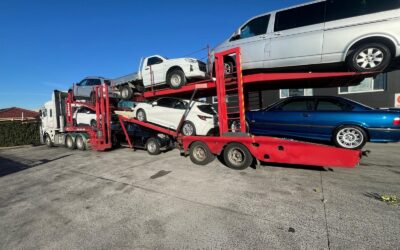
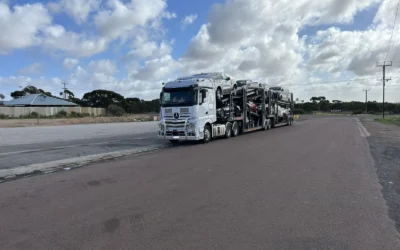
3. Car Carrier Transport
For longer distances, such as interstate transport, professional car carriers are the preferred option. These carriers can handle non-running cars using hydraulic lifts or winches, ensuring secure loading and unloading.
Prepare Your Car for Transport
Even though your car isn’t running, a bit of preparation can go a long way in making the transport process smoother:
- Check the tyres: Ensure they are inflated enough to roll if needed.
- Secure loose parts: Remove or fasten any detached components like mirrors or bumpers.
- Empty personal belongings: Transport companies usually require the vehicle to be cleared out.
- Inform the transporter: Be upfront about the car’s condition (e.g., locked steering, brake issues, missing wheels).
This helps the transport team come prepared with the right equipment.
Loading Process: What to Expect
When the transport team arrives, they typically use a winch system to pull your vehicle onto the truck or carrier. If the car has completely locked wheels, they may use wheel skates or dollies to move it safely.
The key here is controlled movement—professionals ensure the vehicle is loaded slowly to avoid any additional damage, especially if it’s already in a fragile state.
Documentation and Insurance
Before the transport begins, ensure everything is documented:
- Take photos of the vehicle’s current condition
- Confirm insurance coverage with the transport company
- Review the condition report provided during pickup
This step protects you in case of any unexpected issues during transit.
Why Use a Professional Transport Service
Handling a non-running car on your own can be risky and time-consuming. Professional car transport services in Australia are equipped with specialized tools, trained staff, and experience dealing with all kinds of vehicle conditions.
They understand the logistics, safety requirements, and best practices needed to move your vehicle efficiently—whether it’s across the city or across the country.
Final Thoughts
Transporting a non-running car doesn’t have to be complicated. With the right preparation and by choosing a reliable transport method, you can ensure your vehicle reaches its destination safely.
If you’re working with a trusted provider like Unicorn Car Transport Australia, you’ll benefit from expertise in handling all types of vehicles, including those that aren’t operational. The key is clear communication, proper planning, and letting professionals manage the heavy lifting.