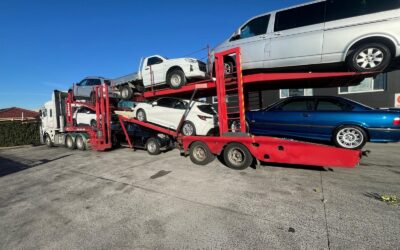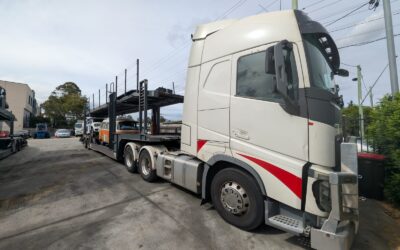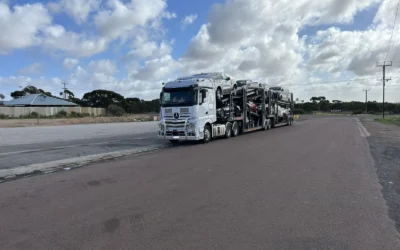
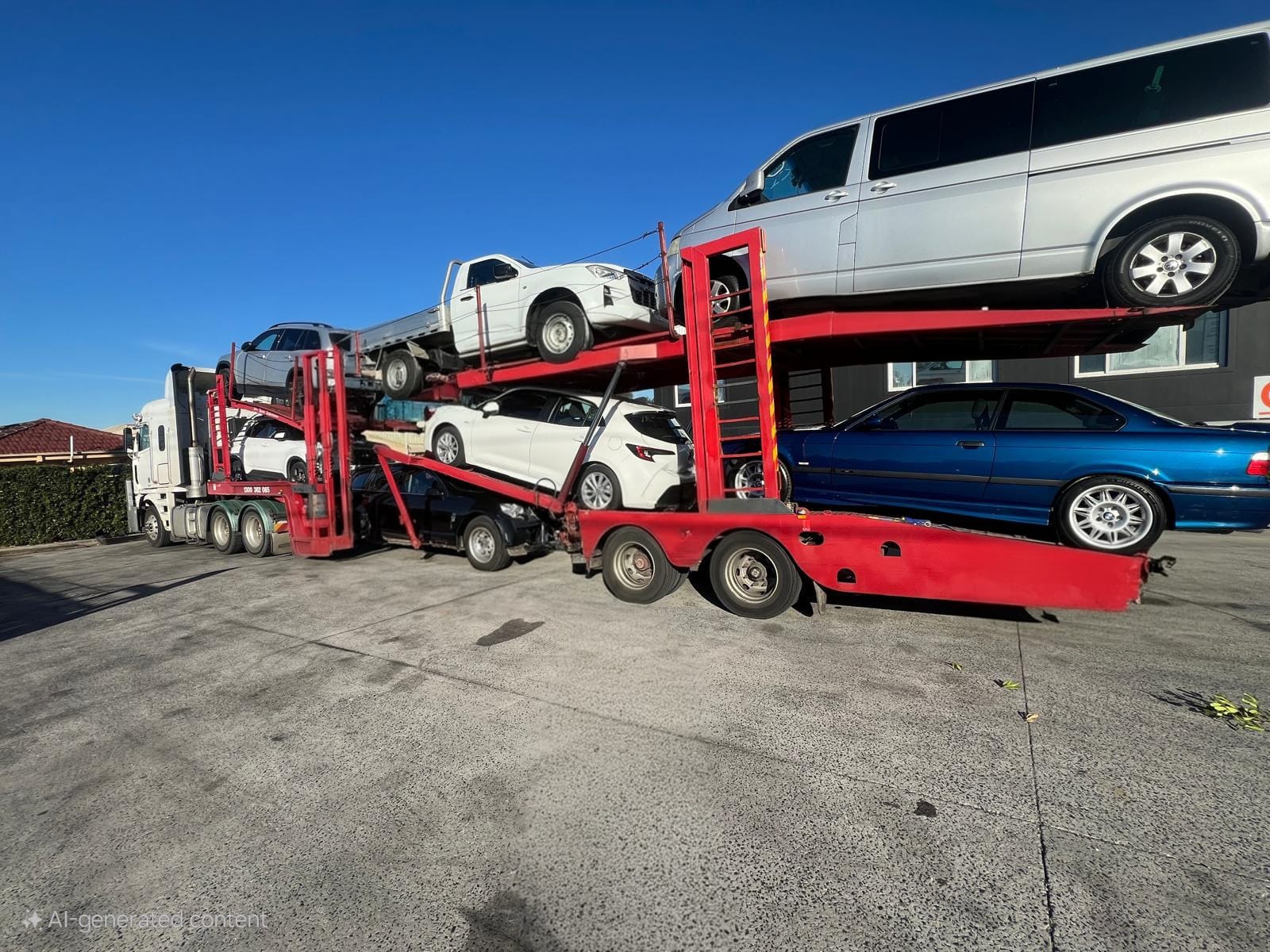
Moving interstate is such a massive moment in your life. You can just feel the buzz—a new job in Melbourne, that dream of a quiet life on the Sunshine Coast, or finally getting back to family in Perth. You spend all this energy packing up your life into boxes, organising the big removalist truck, and saying all your goodbyes. The car is usually the last thing on the list. You just think, “I’ll find someone to move it. Easy.”
But if there’s one thing we’ve learned from the stories we hear every single day, it’s that this final step can be a complete minefield. It’s where things can go sideways, fast.
It almost always starts with the price. We all love a deal, and when you’re looking at quotes and one is hundreds of dollars cheaper, it’s so hard to resist. But honestly, in this industry, a super-cheap quote is less of a bargain and more of a warning siren. It’s the classic trap. You pay a deposit, feeling chuffed with yourself, and then the real bill slowly starts to appear. A mysterious ‘fuel levy’ pops up. An ‘admin fee’ that was hidden in the fine print makes an appearance. Suddenly, you’re being charged for depot handling. Before you can even blink, your “bargain” has cost you more than the honest, upfront quotes you clicked away from.
That’s why you have to look them in the eye—or at least, get them on the phone—and ask, “Is this the final, drive-away price with absolutely no more to pay?” If you get a vague answer, you’ve found a vague company. A real professional service costs what it costs because of real trucks, experienced drivers, and proper insurance.
And it’s not just the price that can trip you up. The whole “door-to-door” dream can turn into a bit of a mess. It sounds perfect, doesn’t it? A truck magically appears and drops your car in the new driveway. But those giant prime movers are twenty metres long; they can’t just whip down a narrow cul-de-sac or a leafy suburban street. We get these calls from people in a panic because their driver has just told them to meet at a shopping centre car park thirty minutes away. And if you go for a depot delivery, make sure you know exactly where it is and when it’s open. There’s nothing worse than your car arriving on a Tuesday, but you can’t get away from your new job to pick it up until Friday, and you’re getting slugged with fifty bucks a day in storage fees. It’s a headache you just don’t need.
But the one that is absolutely critical, the one that can turn a hassle into a disaster, is insurance. So many people just assume their car is completely covered the second it’s on the truck. That’s almost never true. Standard carrier insurance usually only covers their direct negligence, like if they failed to strap the car down properly. It won’t cover a freak hailstorm on the Nullarbor, a stone flying up and cracking your windscreen, or paint damage from bat droppings when the truck was parked overnight—yes, we’ve actually seen that happen. In those cases, you’re on your own. Before you book anything, just make one quick call to your own car insurer. Ask them if your policy covers your car while it’s being moved by another company. If not, a proper transit insurance policy is the best money you’ll ever spend for peace of mind.
And here’s a simple one that causes so much last-minute drama: packing your car like it’s an extra suitcase. It’s tempting, I know, to fill the boot with clothes or chuck a few things on the back seat. But for safety and legal reasons, you just can’t do it. Most companies will flat-out refuse to take the car if it’s loaded with your gear, leaving you scrambling at the last second. The best thing to do is just empty it out completely, give it a quick wash, and then grab your phone. Take photos and a video of it from every single angle, inside and out. If there’s a scratch or a ding already there, get a close-up. That visual record is your best friend if there are any arguments about its condition when it arrives.
Honestly, moving your car interstate doesn’t have to be a source of stress. It’s all about choosing a partner, not just a price tag. Find someone transparent who will answer your questions, plan for it to take a little time, and you can get back to focusing on the excitement of the road ahead, knowing your car will be there to meet you, no horror story attached.