Perth to Melbourne car transport involves far more than covering a long distance on the map. The journey spans thousands of kilometres, crossing isolated highways, changing climates, and vast stretches of inland Australia. For many vehicle owners, driving that route themselves is unrealistic due to time constraints, fatigue, and logistical challenges.
Professional car transport services make this interstate move manageable. Choosing the right transport method—road, rail, or sea—plays a key role in how smoothly the process unfolds. Each option suits different needs, vehicles, and timelines, so understanding the differences helps you make a confident decision.
Road Transport: Practical and Flexible
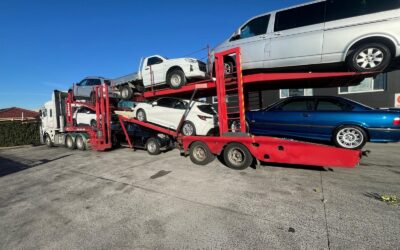
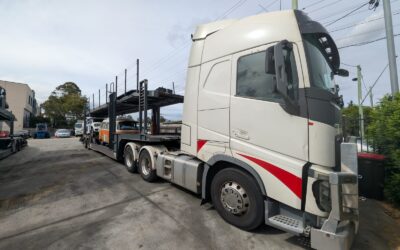
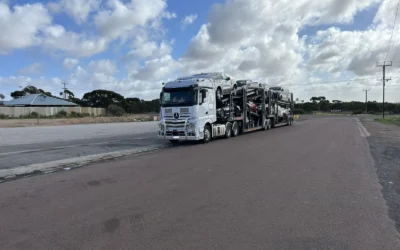
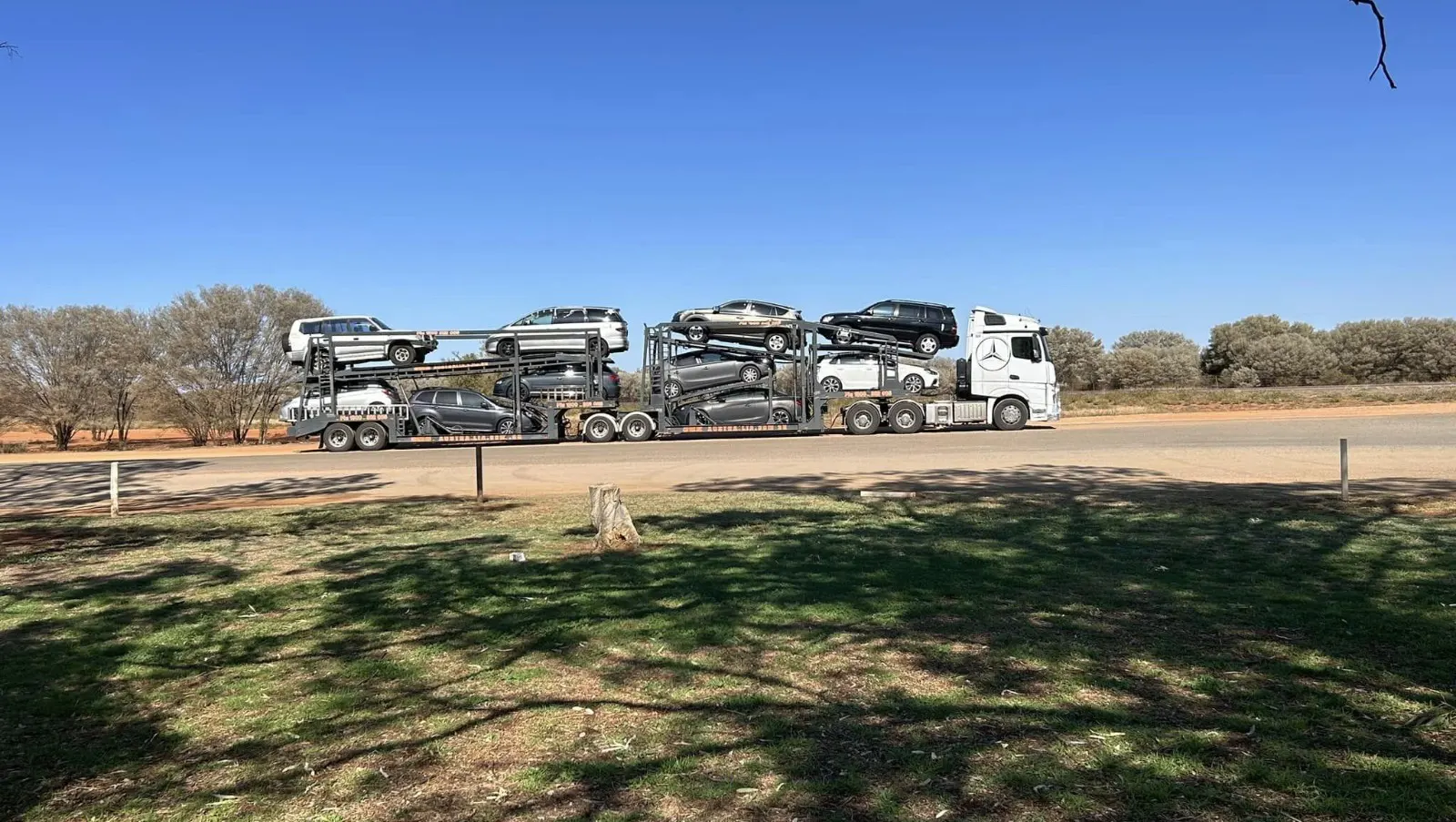
Road transport remains one of the most widely used methods for moving vehicles from Perth to Melbourne. Specialised car carriers handle the journey, using equipment designed for long-distance interstate travel.
This option offers flexibility that many car owners value. Transport providers can often arrange pick-up and delivery close to residential or commercial locations. That convenience reduces the need for depot visits and simplifies coordination, especially during relocations.
Drivers and logistics teams monitor vehicles closely throughout the journey. Secure loading procedures and experienced handling make road transport suitable for everyday cars, SUVs, and even modified vehicles when managed correctly.
Transit time depends on road conditions, weather, and route scheduling. While road transport does not always deliver the fastest results, it provides control and accessibility that many customers prefer.
Rail Transport: Structured and Reliable
Rail transport provides a consistent alternative for moving vehicles across long distances. Vehicles travel on dedicated rail wagons along Australia’s interstate rail network, following set schedules.
This method appeals to customers who value predictability. Trains operate independently of road congestion, which helps maintain steady transit timelines. Rail transport also supports environmental efficiency by reducing heavy vehicle traffic on highways.
Most rail services operate on a depot-to-depot basis. Vehicle owners must deliver and collect their cars from designated terminals, which may not suit everyone. Rail also places restrictions on certain vehicle types, particularly cars with low clearance or custom modifications.
For standard passenger vehicles and flexible schedules, rail transport offers a dependable solution.
Sea Transport: Steady and Strategic
Sea transport moves vehicles between Perth and Melbourne via coastal shipping routes. Transport teams secure cars inside containers or specialized vessel holds to protect them during transit.
This option suits situations where timing allows for longer planning windows. Sea transport avoids inland road challenges and provides a stable alternative for long-distance relocation. Businesses and individuals often choose this method when coordinating vehicle movement alongside other freight.
Port handling and vessel schedules influence delivery timeframes. Vehicle owners also need to plan for transport to and from ports, which adds an extra logistical step.
When urgency is low and planning is thorough, sea transport delivers a calm and reliable experience.
How to Decide What Works Best
The right transport method depends on what matters most to you. Road transport works well for door-to-door convenience and flexible handling. Rail transport suits customers who prioritize consistency and structured scheduling. Sea transport fits situations where long-term planning outweighs speed.
Vehicle type also influences the decision. Modified, high-value, or low-clearance vehicles benefit from transport providers who understand specialised requirements and apply careful handling across all transport modes.
Final Thoughts
Moving a vehicle from Perth to Melbourne requires thoughtful planning, not guesswork. Road, rail, and sea transport each offer clear advantages when matched with the right expectations.
By working with an experienced car transport provider, you gain access to professional handling, clear communication, and a process designed to protect your vehicle every step of the way—ensuring it arrives in Melbourne in the same condition it left Perth.