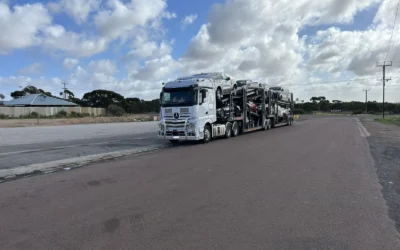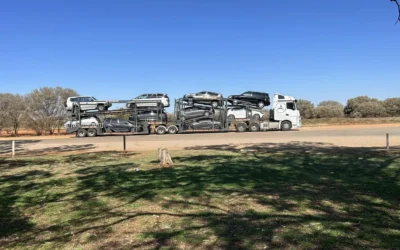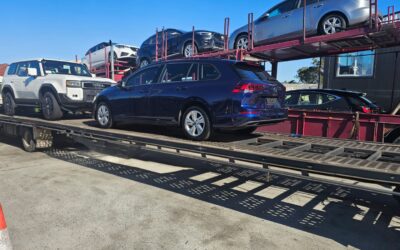
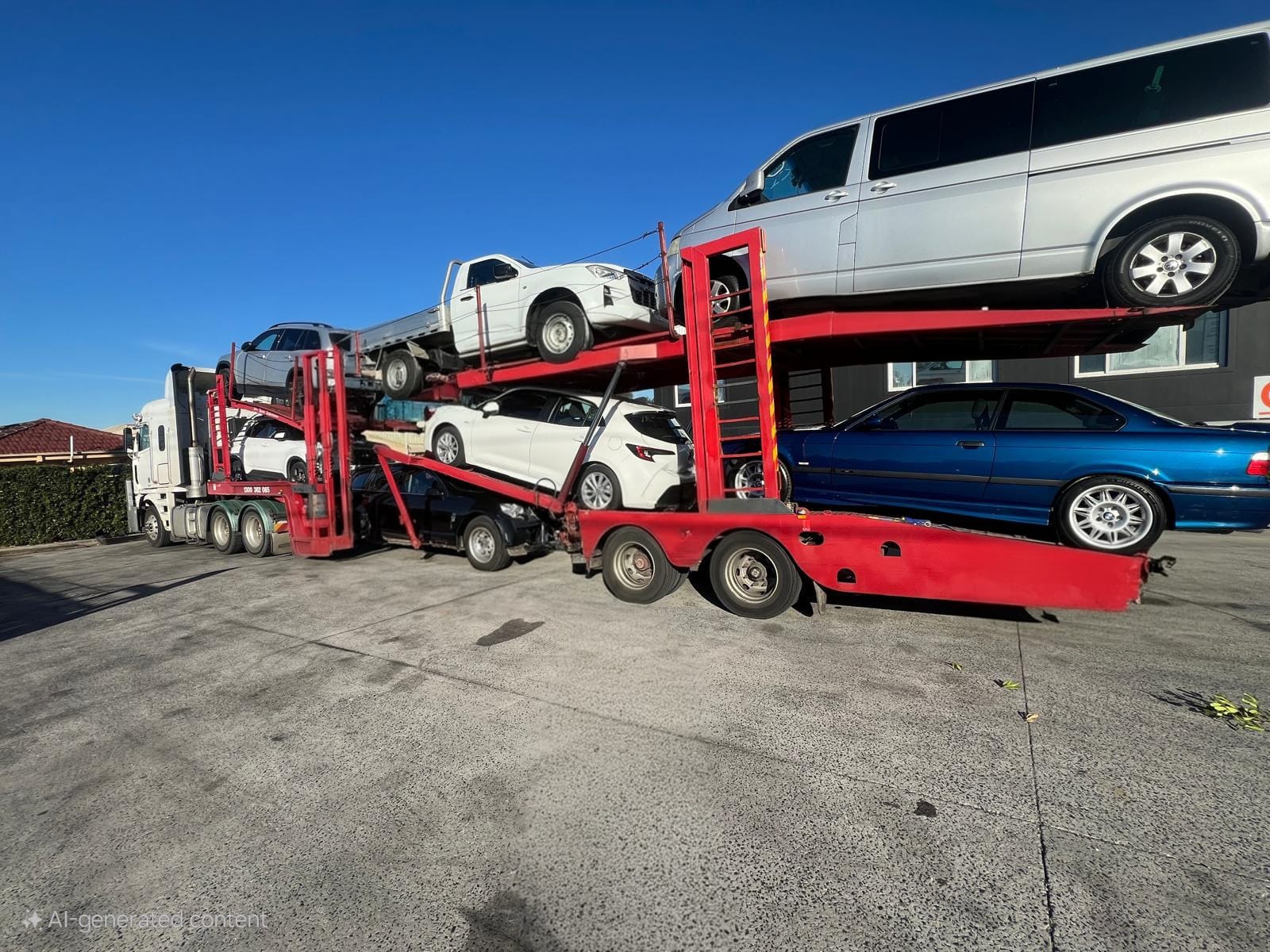
Tasmania has a way of getting people. One holiday turns into a sea-change, a job offer lands, or you find a great car in Hobart and it’s a Bass Strait crossing away from your driveway. Then the practical question hits: how do you actually get the car there?
Bass Strait is the tricky part. You can’t just drive to Hobart, so you either sail the car over yourself or hand it to a transport company. This guide covers both routes, and how car transport from Sydney to Hobart and car transport from Melbourne to Hobart differ in practice.
The Short Version (If You’re in a Hurry)
- Sydney → Hobart: Your car travels by road to Victoria, crosses Bass Strait by sea, then continues by road to Hobart. It’s the longer trip, so book early.
- Melbourne → Hobart: Shorter road leg on the mainland, then the same sea crossing. It’s the most common route to Tasmania.
- Door-to-door or depot-to-depot: Door-to-door is easier. Depot drop-off suits people who are flexible and want to keep things simple.
- Tasmanian biosecurity is strict. A dirty underbody can hold up your car.
- Costs vary with vehicle size, pickup location, season and how urgent you are. A written quote is the only reliable number.
How Car Transport to Tasmania Actually Works
Nobody drives a car from Sydney or Melbourne to Hobart, so every job has three parts:
- Mainland pickup and road leg. A carrier collects your car from your address or a depot and heads to the departure port in Victoria.
- The sea crossing. Your vehicle is loaded onto a vessel and crosses Bass Strait. The sailing takes the better part of a night, and the loading, waiting and unloading add time around it.
- Tasmanian road leg. After landing on Tasmania’s north coast, the car is delivered or held at a depot in or near Hobart.
Each stage can shift the schedule. Weather affects sailings, port queues build up, and peak travel periods fill vessel space quickly. That’s why any transporter promising a delivery time down to the hour deserves a raised eyebrow. A realistic window is more useful than an optimistic one.
Car Transport Sydney to Hobart: What to Expect
Sydney is the longer trip because the car has to cover a big stretch of the Hume or Princes corridor before it even reaches the water. If you’re in Parramatta, Penrith, Liverpool or anywhere else in the metro area, the pickup itself is easy. Getting the car to Victoria is the bulk of the mainland leg.
A few practical points for Sydney departures:
- Book earlier than you think. Sydney is one of the busiest departure points in the country, so pickup slots go fast around school holidays and the end of the financial year.
- Be flexible on pickup dates. Carriers plan loads around routes, so a day or two of wiggle room often gets you a smoother booking.
- Decide door-to-door or depot. Sydney traffic and tight streets can make truck access awkward, and a depot drop-off sometimes solves that.
If you’re leaving from Sydney, our interstate car transport Sydney page explains how we handle metro pickups, depot options and the types of vehicles we move.
Car Transport Melbourne to Hobart: What to Expect
Melbourne is Tasmania’s closest mainland partner in terms of freight and passenger traffic, and that shows. The road leg is short, the departure port is nearby, and there’s plenty of established movement between the two.
One detail catches people out: the Bass Strait ferry doesn’t leave from Melbourne any more. Spirit of Tasmania runs between Geelong and Devonport, and the Victorian terminal sits roughly 70 km from central Melbourne. Since the operator relocated its Victorian berth in late 2022, anyone driving their own car has to plan for that extra hour on the road. RACV
If you’re moving from Melbourne, our interstate car transport Melbourne page covers pickup areas and service options across Victoria.
Ship It Yourself or Hire a Transporter?
Plenty of people ask about Spirit of Tasmania car transport because it’s the obvious way to get a car across. It’s a genuine option, and worth understanding before you decide.
Sailing it yourself. Cars, EVs, motorbikes, caravans and motorhomes can all travel on the Spirit of Tasmania. You book a vehicle spot, drive to Geelong, check in, and collect your car at Devonport. It works well when you’re travelling anyway, since you sail with the car and drive the rest. RACV
The catch is that you have to be on the boat too. The operator asks for your vehicle’s make and model when you book, so it can allocate the right amount of space. And demand is real. Bookings get tight in mid-December to March and around Easter, and the return crossing fills up in April and May. The new vessels should ease the squeeze: Spirit of Tasmania IV is due to launch in October 2026. Check the operator’s official booking guide for current sailing details, because schedules and vessels are still being phased in. Spirit Of Tasmania Booking | Spirit Of Tasmania +2
Hiring a car transporter. This makes sense when you’re flying, when you’re moving house and juggling everything else, when you’ve bought a car interstate, or when the driving alone would eat days of your life. You hand over the keys at one end and collect the car at the other, with no long drive, no fuel and no vehicle-booking stress.
Here’s a quick way to decide:
| Your situation | Likely better fit |
|---|---|
| Taking a holiday with the car | Sail it yourself |
| Relocating and flying down | Car transporter |
| Buying or selling a car interstate | Car transporter |
| Moving with kids, pets or a full household | Car transporter |
| Non-running or unregistered vehicle | Car transporter |
What Decides the Cost? (Car Transport Tasmania Cost Explained)
Everyone wants a number, and we get why. But a fair price depends on details that differ for every car, so any figure you see online is a rough guide at best. These are the things that move a quote up or down.
- Vehicle size and weight. A small hatchback and a large 4WD or ute don’t take up the same deck space.
- Pickup and delivery points. A central Sydney or Melbourne address is different from a remote rural property, and door-to-door differs from depot-to-depot.
- Timing. Summer and school holidays are busy on the Bass Strait, which affects availability and pricing.
- How flexible you are. Flexible dates give carriers room to slot your car into a route that’s already running.
- Vehicle condition. A car that doesn’t run or steer needs extra equipment and handling.
- Open or enclosed transport. Enclosed options give extra protection and usually come at a premium.
The same logic applies if you’re searching for Melbourne to Hobart car transport cost or Sydney to Hobart vehicle shipping pricing. The route is only one factor. What you really want is a quote that spells out what’s included. Ours is built to be transparent, with GST, fuel levies and tolls covered, so there aren’t surprises later. You can request a free quote with your route and vehicle details.
Tasmanian Rules You Can’t Ignore
Biosecurity: clean your car properly
Tasmania protects its farms and wild places fiercely, and vehicles are part of that. Biosecurity Tasmania expects a car to arrive fully clean, including the underside, wheels, wheel arches, boot and floor mats, with no mud, soil, seeds, plant material or insects. A car that isn’t clean enough can be sent for cleaning or other treatment at an approved location. That means delays, and sometimes more expense. Department of Natural Resources and Environment TasmaniaDepartment of Natural Resources and Environment Tasmania
So give the car a proper wash before pickup. Don’t stop at a quick drive-through. Get under the guards, into the wheel arches and out of the boot. If you’ve been off-road, camping or towing, spend extra time on it. The Biosecurity Tasmania vehicle guidelines list exactly what they check.
Registration: don’t leave it too late
If you’re moving to Tasmania for good, you’ll need to register the car there. Interstate-registered vehicles can generally be used in Tasmania for up to three months, after which Tasmanian registration is required. That grace period suits visitors, not new residents, so sort out your paperwork through Transport Services Tasmania soon after you arrive. Transport Tasmania
Your Pre-Pickup Checklist
A bit of prep now saves stress later.
- Wash the car thoroughly, inside and out, with extra attention underneath.
- Take photos from every angle, including the odometer and any existing marks. Date-stamped shots protect everyone.
- Empty the car. It’s tempting to use it as a giant suitcase, but loose items aren’t covered the same way, and extra weight can affect handling. Keep it to the essentials.
- Keep fuel low. A quarter tank is plenty.
- Note any quirks, such as a tricky handbrake, a flat-ish tyre or a car that needs a jump-start.
- Remove or secure loose parts, such as roof racks, toll tags and aftermarket accessories.
- Keep a spare key handy, and make sure someone can be there for handover, or confirm what the driver needs if you can’t.
For more on the process, our first-time interstate car transport guide walks through what happens from booking to delivery.
When’s the Best Time to Book?
There’s no perfect month, but there are smarter ones. Summer is the crunch: the Bass Strait is at its busiest from mid-December through March, as holidaymakers and movers compete for vessel space. If your move is flexible, autumn and winter tend to be calmer on the water.
Either way, get your enquiry in early. Four to six weeks’ notice gives your carrier time to plan properly, and last-minute jobs can still work but with fewer choices on dates and pickup type.
How to Pick a Car Transport Service You Can Trust
A good transporter is easy to talk to before you’ve paid a cent. When you’re comparing options, look for:
- Clear insurance details. Ask what’s covered in transit and get it in writing. We work with fully insured, licensed carriers, but you should always confirm the specifics.
- A quote that lists what’s included, not just a headline figure.
- Condition reports and photos at pickup and delivery.
- Honest timeframes that mention weather and sea conditions.
- Real people who answer questions before and after you book.
- Flexibility on vehicle type, including non-runners, if that’s your situation. Our FAQs cover what we can and can’t move.
Frequently Asked Questions
How long does car transport from Sydney to Hobart take?
It depends on the schedule of the day, the sailing and the delivery leg, so it’s usually longer than a mainland interstate job. Ask for a realistic window rather than a fixed date.
Is car transport from Melbourne to Hobart faster than from Sydney?
Generally, yes, because the road leg before the crossing is shorter. The sea crossing and Tasmanian delivery leg are much the same for both routes.
Can I put personal belongings in the car?
We recommend keeping it empty. Loose items add risk and can complicate biosecurity checks. Check your transporter’s policy before you pack.
Can a non-running car be shipped to Tasmania?
Often, yes. Let your transporter know upfront, since it changes the loading equipment needed.
Do I need to be there at pickup and delivery?
Not always. Many people nominate someone else to hand over or receive the car. Confirm with your carrier and have a contact number ready.
Will my car be insured in transit?
Coverage varies between carriers, so ask for the details in writing. Photos before pickup help if you ever need to make a claim.
Ready to Move Your Car to Tasmania?
Whether you’re sending a car from Sydney to Hobart for a fresh start or arranging Melbourne to Hobart transport for a bargain you found online, the process is simpler than it sounds once you know the steps. Wash the car, sort your dates, and get a quote that spells out what’s covered.
At Unicorn Car Transport Australia, we’ll walk you through your options, from door-to-door pickup to depot drop-off. Get your free quote or contact our team with your route and vehicle details, and we’ll come back with a clear plan and a realistic timeline.