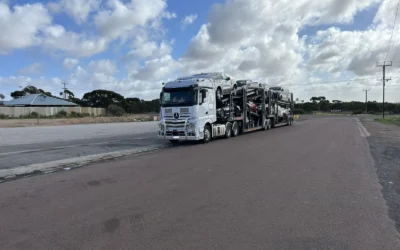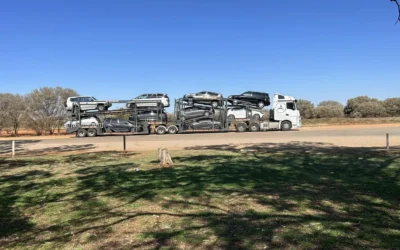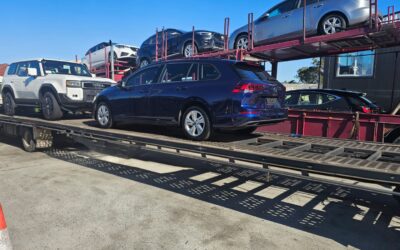

How does car transport work? You request a quote, choose between open or enclosed transport and door-to-door or depot-to-depot service, and book a pickup window. A driver then inspects your car, records its condition, and secures it on a purpose-built carrier. The carrier travels the route, and your car is unloaded, checked again, and handed back to you.
That’s the short version. The rest of this guide explains each stage, so nothing catches you off guard.
Why So Many Australians Ask This Question
Australia is big. Sydney to Perth is a long way to drive. Brisbane to Melbourne isn’t a quick weekend trip either. When a job relocation, a family move, an online car purchase, or a dealership delivery comes up, driving the car yourself often makes little sense. You’d burn time, add kilometres to the odometer, and probably spend a few nights in roadside motels.
So people hand the job to a professional. But handing your car (probably one of your most valuable possessions) to a stranger with a truck feels a bit nerve-wracking, and that’s completely normal. The best cure for that feeling is knowing exactly what’s going on at every stage.
Here’s the car transport process explained in plain English.
Car Transport Step by Step
Step 1: You Request a Quote
Everything starts with a few simple details:
- Where the car is being picked up and where it’s going
- The make, model, and year of the vehicle
- Whether it’s running and drivable
- Whether it has been modified (lowered, widened, or fitted with custom parts)
- Your preferred timeframe
Accurate answers matter here. A lowered sports car needs different handling from a family SUV. A non-runner needs different equipment from a car you can simply drive on. If something is unusual, say so upfront. Transporters would much rather plan for it than discover it on pickup day.
You can request a free quote from Unicorn Car Transport in a couple of minutes. It’s the easiest way to see what’s involved for your specific route.
Step 2: You Choose Your Transport Type
This is where you tailor the service to your car and your comfort level. There are two decisions to make.
Open vs enclosed transport. Open carriers are the multi-vehicle trucks you see on the highway. They’re the most common choice and work well for the majority of cars. Enclosed transport shields the vehicle from weather and road debris, which is why owners of new, rare, classic, or high-value cars often prefer it. If you’re stuck between the two, our breakdown of open vs enclosed trailer transport walks through the trade-offs.
Door-to-door vs depot-to-depot. Door-to-door means the carrier collects from your address, or as close as a large truck can safely get, and delivers to the destination the same way. Depot-to-depot means you drop the car at a terminal and collect it from another. Door-to-door is more convenient. Depot options can suit flexible schedules.
Step 3: You Book Your Pickup Window
Once you’re happy, you confirm the booking. Most transporters work with a pickup window rather than a fixed minute. That’s because carriers run on multi-stop routes, and real roads come with real variables: traffic, weather, and loading times at earlier stops.
A good transport company keeps you updated as the pickup gets closer. Clear communication is one of the biggest differences between a stressful transport experience and a smooth one, so it’s worth asking how updates will reach you before you book.
Step 4: You Prepare the Car
A little preparation goes a long way. Before the driver arrives:
- Wash the car. It sounds fussy, but a clean car makes it much easier to spot existing marks during the inspection.
- Photograph everything. Take clear, date-stamped photos of every panel, the wheels, the interior, and the odometer.
- Remove loose items. Personal belongings generally aren’t covered and can shift during transit. Check what your transporter allows.
- Remove or secure accessories. Toll tags, aftermarket parts, roof racks, and loose spoilers are worth a conversation.
- Keep the fuel level low. A quarter tank is the common guideline, but confirm with your carrier.
- Note any quirks. Special starting procedures, alarm settings, and low ground clearance should all be shared.
For custom builds, disclosing everything upfront is especially important. It lets the team plan the loading approach and strapping method properly. There’s more on this in our guide to modified car transport in Australia.
Step 5: Pickup Day and the Condition Inspection
When the driver arrives, the first job isn’t loading. It’s inspecting.
The driver walks around the vehicle with you and documents its condition: scratches, dents, chips, interior wear, and anything else worth noting. This is recorded on a condition report, often with photos too. You both review it, and you sign off.
It’s not about distrust. It’s about transparency. If a question ever comes up after delivery, that report is the reference point that keeps everything clear and fair for both sides.
Step 6: Loading and Securing
Now the car goes onto the carrier. Experienced drivers position each vehicle carefully, taking into account its weight, height, ground clearance, and where it sits relative to the other vehicles on board.
Then comes the part most people never see: securing. The car is strapped down at proper tie-down points so it can’t move forwards, backwards, or sideways. This isn’t just good practice, it’s a legal responsibility. Under Australia’s Heavy Vehicle National Law, loads must be properly restrained, and the National Heavy Vehicle Regulator publishes loading guides and the Load Restraint Guide as best-practice references for the industry. It’s a helpful read if you want to see how seriously load safety is treated.
Step 7: The Journey
This is the long stretch, where your car travels between cities on the carrier.
Interstate trips involve more than driving in a straight line. Drivers follow mandatory rest requirements, carriers often make several pickups and drop-offs along the route, and conditions such as weather, road closures, and roadworks can shift timing. That’s why transporters give estimated delivery windows rather than guarantees down to the hour, and why honest communication matters more than a promise that sounds impressive.
Good companies don’t leave you guessing during this stage. You should be able to check in and get a straight answer about where things stand.
Step 8: Delivery and Final Check
When the carrier reaches the destination, the driver unloads your car and you inspect it, using the original condition report and your own photos as a reference.
Do this while the driver is still there, in good light. If you spot something that wasn’t on the original report, note it on the delivery paperwork before you sign. Once everything checks out, you sign, collect your keys, and drive away. Job done.
How Does Interstate Car Shipping Work, Specifically?
Everything above applies to moving a car between states, but interstate routes come with a few extra wrinkles worth knowing about.
Distance changes the logistics. Popular corridors, such as Sydney–Melbourne or Melbourne–Adelaide, tend to have frequent carrier movements, which usually means more scheduling flexibility. Remote routes and less common city pairs can take a little more planning. Regional locations may involve meeting the carrier at a nearby, truck-friendly spot. If Adelaide is on your route, see our page on interstate car transport to and from Adelaide.
Bass Strait means a ferry. If your car is heading to or from Tasmania, it crosses on a vessel. Tasmania also has strict biosecurity rules to protect its farms and environment. Under Biosecurity Tasmania’s guidance, vehicles arriving on the Spirit of Tasmania must be cleaned of visible soil and mud before boarding. A clean undercarriage and wheel arches will save you headaches.
Registration doesn’t automatically follow you. If you’re moving permanently, you’ll usually need to register your car in your new state within a set period. Requirements vary. In New South Wales, for example, Service NSW explains that interstate vehicles need to be registered with items like proof of identity, an inspection report, and compulsory third party insurance. Check your new state’s transport authority for the exact steps.
What Happens When You Transport a Car? Common Worries, Answered
“Will my car get damaged?” Professional transport is designed to prevent exactly that. Careful loading, proper restraint, insurance, and documented inspections all exist to protect your vehicle. Choosing a provider that’s transparent about how they handle these things is the best safeguard.
“Does my car need to run?” Not necessarily. Non-runners can often be transported, but the team needs to know in advance so they can bring the right equipment.
“Can I pack things inside?” Usually not, or only within tight limits. Always confirm with your transporter first.
“What about a special vehicle?” Luxury SUVs, sports cars, and modified builds often benefit from extra attention to loading, clearance, and protection. Our page on luxury SUV transport across Australia shows how we approach higher-value vehicles.
Five Mistakes People Make (and How to Avoid Them)
- Leaving it to the last minute. Booking early gives you more scheduling choice and less stress.
- Hiding details about the car. Modifications, mechanical quirks, and low clearance all matter.
- Skipping the photos. Your own record is a valuable backup to the official report.
- Choosing on price alone. The cheapest option isn’t always the best one. Look at communication, transparency, and how the company handles problems.
- Rushing the delivery inspection. Take your time. It’s your chance to confirm everything is right before you sign.
Frequently Asked Questions
How does car transport work in Australia?
A transporter collects your vehicle, inspects and documents its condition, secures it on a carrier, transports it to the destination, and delivers it, where you complete a final inspection. Services can be door-to-door or depot-to-depot.
How does interstate car shipping work?
Interstate shipping follows the same steps as local transport, but over a longer route. Your car travels on a multi-vehicle carrier, and delivery timeframes depend on distance, driver rest requirements, weather, and the carrier’s schedule. Journeys to Tasmania involve a ferry crossing.
What happens when you transport a car?
The car is inspected, photographed, loaded, strapped down, driven to the destination on a carrier, and unloaded. A condition report is completed at pickup and checked again at delivery.
Is open or enclosed transport better?
Open transport suits most vehicles. Enclosed transport offers added protection from weather and debris, which many owners of new, rare, or high-value cars prefer.
Do I need to be there for pickup and delivery?
You or someone you trust should be present to sign off on the condition report at both ends. If you can’t be there, arrange an authorised representative and let your transporter know beforehand.
How long does car transport take?
It depends on the route, the schedule, and the conditions. Your transporter can give you an estimated window when you book.
Ready to Move Your Car?
Now you know how it works: quote, choice of service, booking, preparation, inspection, loading, transit, and delivery. There’s no mystery in it, just a series of careful steps done properly.
If you’d like a straight answer for your route, get a free quote from Unicorn Car Transport or get in touch with our team. We’ll talk you through the options and keep you updated from pickup to delivery. For a wider look at services, visit our complete guide to car transport in Australia or head back to the Unicorn Car Transport homepage.