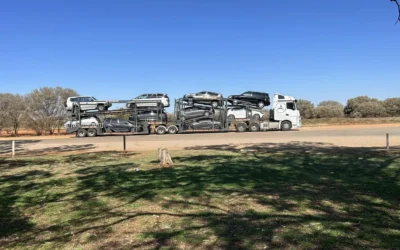
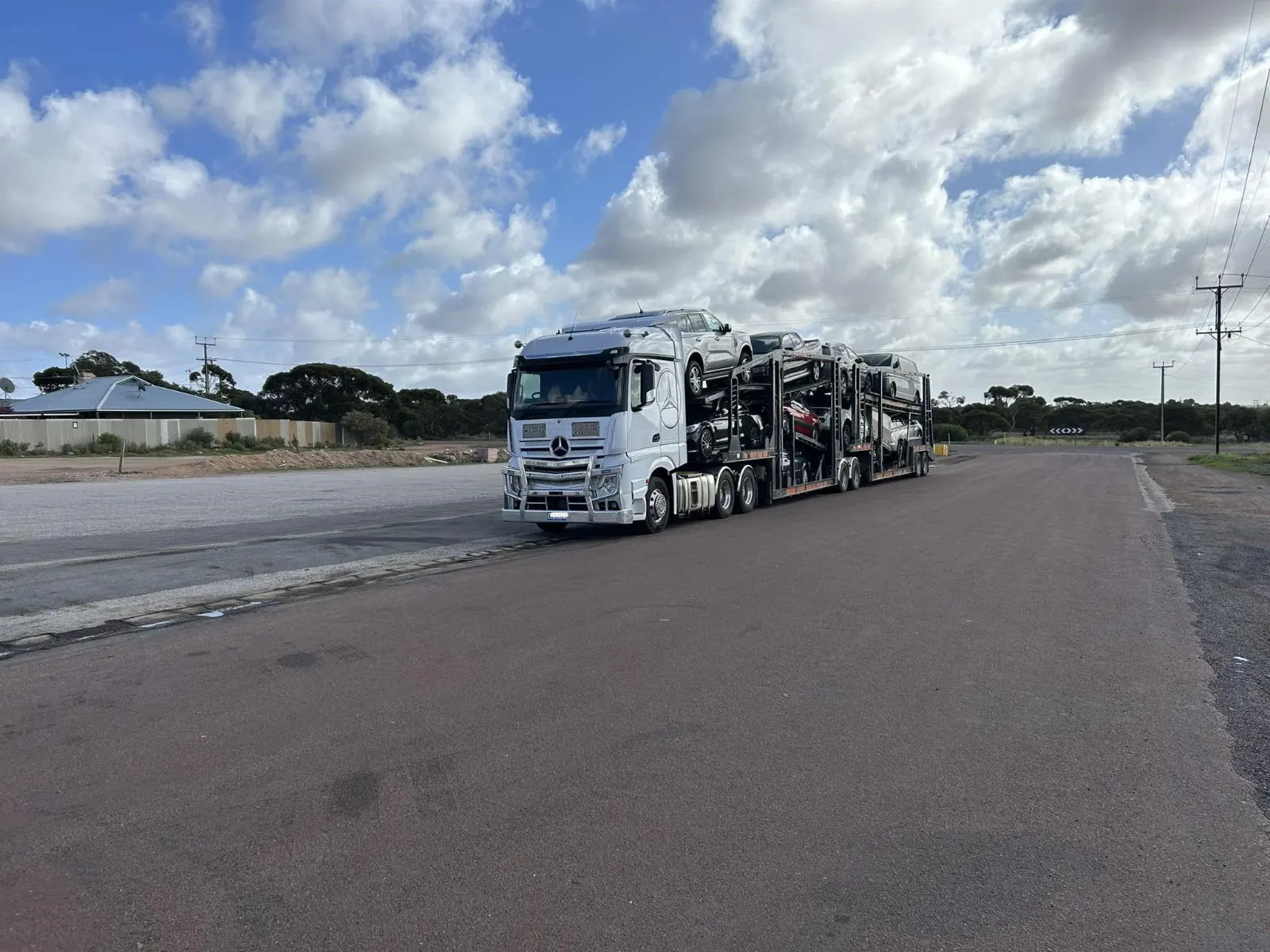
Darwin to Adelaide is one of the longest continuous road runs in the country. Get it wrong and your car spends weeks in limbo. Get it right and it turns up at your new address in the same shape it left.
If you’re searching for car transport Darwin to Adelaide, you probably want three answers: how it works, how long it takes, and what shapes the price. This guide covers all three in plain language, without the sales fluff.
Quick answers
- Distance: roughly 3,000 km, mostly along the Stuart Highway.
- Typical transit time: often one to two weeks door to door. Weather, route and pickup timing can move that either way.
- What drives the cost: carrier type, timing, vehicle size, pickup and delivery locations, and how flexible you are.
- Service options: door-to-door or depot-to-depot, in open or enclosed carriers.
- Best move: get a written quote early and ask what it includes.
That’s the short version. The details below are what actually protect your car and your budget.
How far is Darwin to Adelaide, and what’s the route like?
Trucks and drivers follow the same corridor that explorers did more than 160 years ago. According to Wikipedia’s Stuart Highway entry, the highway runs about 2,720 km from Darwin through Katherine, Tennant Creek and Alice Springs to Port Augusta in South Australia. From Port Augusta it’s roughly another 300 km down to Adelaide. Depending on where in each city you start and finish, you’re looking at around 3,000 km.
For comparison, the Ghan railway line between the two cities covers about 2,979 km, so the distance is about the same by road or rail. The road just gives carriers a lot more flexibility about where they pick up and drop off.
Here’s what that means in practice:
- It’s remote. Long stretches have few towns, so carriers plan fuel, rest breaks and driver hours carefully.
- It’s sealed but demanding. The highway wasn’t fully sealed until 1987. It’s a solid road now, but heat, wildlife and road trains are all part of the picture.
- It’s weather-sensitive at the top end. Flooding up north can close roads quickly, which is why timing matters more here than on many other interstate routes.
How long does car transport from Darwin to Adelaide take?
This is the question people ask us most, and an honest answer starts with “it depends.”
A truck can’t just drive 3,000 km non-stop. Drivers have legal rest requirements, carriers often consolidate several vehicles onto one run, and pickups have to line up with the truck’s schedule. So the trip is more than the number of driving hours.
What usually shapes your timeline:
- Pickup window. Carriers typically give you a range of dates rather than a fixed hour. Being flexible here often speeds things up.
- Load consolidation. Direct, dedicated runs can be quicker. Shared loads may take a bit longer while the truck fills up.
- Season and weather. The NT wet season, from roughly November to April, can bring flooding and road closures. During heavy rain periods, authorities have reported large numbers of roads closed or impassable, with the Stuart Highway prioritised to stay open.
- Delivery address. A metro Adelaide address is easy for a carrier. A hard-to-reach rural or narrow-street address may need a depot handover or a smaller vehicle for the final leg.
- Service type. Door-to-door is convenient. Depot-to-depot can sometimes suit tighter or looser schedules.
As a planning rule, allow roughly one to two weeks in typical conditions and give yourself extra buffer in the wet season. Any specific timeframe should be confirmed in your quote, since it depends on your dates and the carrier’s schedule.
What affects the cost to transport a car from Darwin to Adelaide?
You’ll notice we’re not printing a dollar figure here. That’s deliberate. Anyone quoting a single number for this route without knowing your car, dates and addresses is guessing. What we can do is show you what moves the price up or down, so you can compare quotes properly.
The main factors:
- Vehicle size and weight. A hatchback and a large dual-cab ute or 4WD don’t take up the same space or weight allowance on a truck.
- Vehicle condition. A non-running car needs winching or special handling, which affects how it’s loaded and quoted.
- Open or enclosed transport. Enclosed carriers offer extra protection from dust, stone chips and weather. They usually sit at a different price point from open carriers.
- Door-to-door versus depot-to-depot. Convenience and flexibility shape the quote either way.
- Timing. School holidays, end-of-lease periods and pre-wet-season rushes can tighten availability.
- Urgency. A guaranteed date generally isn’t priced like a flexible one.
- Backloading. Carriers returning south with spare space can sometimes fit your car in more economically, if you can work around their schedule.
- Extras. Insurance levels, storage, and tracking or update options can all be part of the package.
Tip for comparing quotes: don’t compare headline numbers alone. Ask what’s included: insurance cover, fuel, tolls, pickup windows, and whether the quote is fixed or an estimate. A quote that looks lower can end up costing more if it leaves things out.
To see how your own move would price up, use the instant quote tool at Unicorn Car Transport Australia. It takes your details and gives you upfront figures based on your actual situation.
Door-to-door vs depot-to-depot: which suits you?
Door-to-door means the carrier collects your car from an agreed address and delivers it to another. You don’t have to organise anything at either end. It’s the popular choice for families relocating, especially if you’re already juggling flights, keys and a new house.
Depot-to-depot means you drop the car at a depot and collect it from another. It can work well if your schedule is flexible, your address is difficult for a large truck, or you’d like more control over drop-off and pick-up times.
Neither is “better.” They suit different situations, and a good carrier will tell you honestly which fits yours.
Open or enclosed carrier?
Most vehicles travel safely on open carriers, and it’s a common, widely used option for daily drivers. But there are good reasons to go enclosed:
- Prestige, classic or collector cars
- Low-clearance vehicles
- Cars with fresh paint or custom work
- Anything you’d be upset to see covered in outback dust
Remember, this route passes through some of the dustiest, hottest country in the nation. If your car is precious, that’s worth weighing.
The best time of year to ship your car
Timing on this route can matter more than almost anything else.
The dry season (roughly May to October) is generally kinder to road travel in the Top End, with fewer weather closures. If you’re reading this in late September 2026 and planning a move before Christmas, it’s a good moment to lock in dates before the wet season starts building.
The wet season (roughly November to April) brings storms, flooding and unpredictable closures. Transport still runs, but delays are more likely. If you’re moving in this window, leave more buffer, stay in touch with your carrier, and keep your own plans flexible.
For live conditions, the NT Government’s Road Report NT shows closures, hazards and restrictions across government-controlled roads. Its own summary, as described by the Automobile Association of the Northern Territory, encourages travellers to check, plan and go. Carriers watch it closely too, and it’s handy for you to check while your car is on the road.
How to prepare your car before pickup
A little prep prevents most disputes and delays. Here’s a practical checklist:
- Wash the car. A clean car makes it easier to inspect for existing marks.
- Photograph everything. Take clear photos or a short video of all panels, wheels, the interior and the odometer, with time-stamps if possible.
- Remove personal belongings. Most carriers don’t cover items left inside, and loose objects can shift in transit.
- Keep fuel low. A quarter tank is generally plenty, since extra fuel just adds weight.
- Secure or remove loose parts. Think bull bars with loose fittings, roof racks, aerials and toppers.
- Note any faults. Tell the carrier about leaks, warning lights, flat batteries or anything that affects loading.
- Disable alarms. Or at least give clear instructions, since a screaming alarm on a truck helps no one.
- Bring your paperwork. Keep your ID, registration and booking confirmation handy.
- Do a joint inspection. Go through the condition report with the driver at pickup and again at delivery.
How booking works, step by step
- Request a quote. Give your pickup and delivery suburbs, vehicle make and model, and your preferred dates.
- Choose your service. Pick door-to-door or depot-to-depot, and open or enclosed.
- Confirm your dates. Agree a pickup window that works for you.
- Prepare the car. Use the checklist above.
- Hand over the keys. Complete the condition report with the driver.
- Track progress. Stay in touch for updates while your car is on the road.
- Inspect on delivery. Check the car against your photos before signing off.
Why book with Unicorn Car Transport Australia
Moving a car 3,000 km is a decision that deserves a straight answer, not a slogan. Here’s what we focus on for this route:
- Australia-wide coverage, including the NT. We move cars between Darwin and Adelaide, and to and from other major cities and regional areas across the country.
- Choice of service. Door-to-door and depot-to-depot are both available, along with enclosed carriers when you want extra protection.
- Insured, licensed carriers. We work with carriers that follow strict safety practices.
- Clear communication. You get updates and direct support from booking through delivery.
- Upfront quotes. Our instant quote system shows you what to expect before you commit, with no hidden charges.
- Flexible options. From urgent bookings to budget-friendly backloading, there’s a choice for most situations.
If you’re moving to Adelaide, our interstate car transport Adelaide page covers pickups, deliveries and routes in more detail. And if Adelaide is only one stop on your journey, our Melbourne service and Sydney service cover the onward legs.
Frequently asked questions
How long does vehicle transport from Darwin to Adelaide take?
In typical conditions, allow roughly one to two weeks. Weather, pickup timing, load consolidation and delivery location all play a part, so always confirm the estimate in your written quote.
What’s the cost to transport a car from Darwin to Adelaide?
It depends on your vehicle, service type, dates, locations and whether you choose open or enclosed transport. The most reliable way to find out is to request a quote based on your actual details.
Is it better to drive my car or transport it?
Driving is roughly 3,000 km each way, so you’re looking at multiple days of fuel, accommodation, wear and tear, and time off work. Many people compare that against the convenience and reduced mileage of transport before deciding. If you’re flying south anyway, transport often makes practical sense.
Can I put personal items in the car?
Usually not. Most carriers advise removing personal belongings, and they’re generally not covered by transit insurance. Check the specifics with your carrier before pickup.
Can I transport a car that doesn’t run?
Often yes, but tell the carrier upfront so they can arrange suitable equipment. It may affect the quote and scheduling.
Do I need to be there at pickup and delivery?
Either you or an authorised representative should be present to sign the condition report and hand over or receive the keys.
Does the wet season stop car transport altogether?
Not usually, but it can cause delays. Flooding can close roads temporarily, so build in extra time if you’re moving between roughly November and April.
Ready to move your car from Darwin to Adelaide?
Long-distance moves are stressful enough without worrying about your car. Pick a reliable service, give yourself a little buffer, prep the vehicle properly, and the whole thing can be surprisingly smooth.
Ready to get started? Get your free, no-obligation quote from Unicorn Car Transport Australia and see how straightforward car transport from Darwin to Adelaide can be.