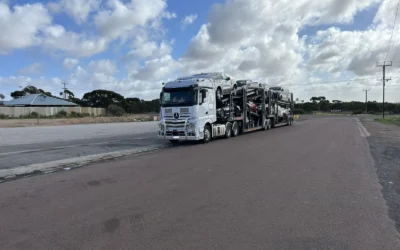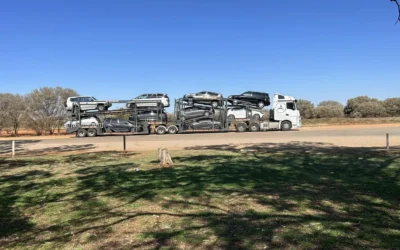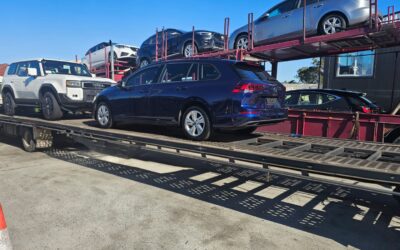
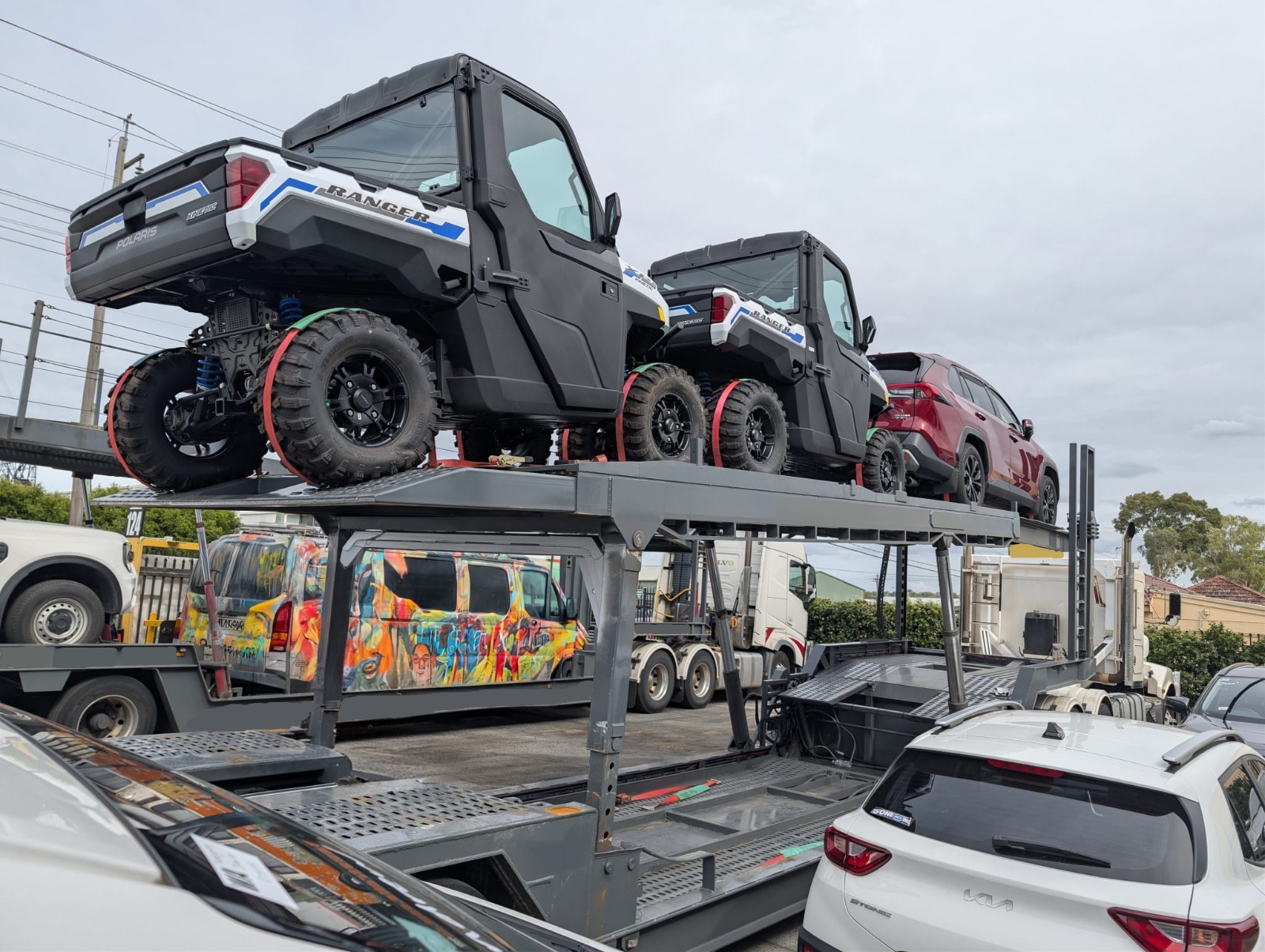
Moving one car interstate is a booking. Moving twelve, however, is a project. If you run a business with a fleet of sales cars, service vans or dealership stock, you already know the difference. For example, a single missed pickup can leave a sales team without wheels, and a late delivery can push back a contract start date. Fleet vehicle transport in Australia is the professional movement of multiple vehicles between cities and states on specialist carriers, so your team keeps working instead of playing logistics coordinator. This guide covers how it works, what to sort out before you book, and the compliance side that many businesses overlook until something goes wrong.
What Is Fleet Vehicle Transport in Australia?
Fleet vehicle transport means moving a group of vehicles from one location to another as a single, coordinated job. Sometimes that’s a dozen sedans heading to a new branch. In other cases, it’s a mixed batch of utes, vans and SUVs going to a mining or construction site. Dealerships, meanwhile, often shift stock between yards.
A few terms get used interchangeably, so here’s how they fit together:
- Corporate car transport interstate usually means a business moving company-owned or leased vehicles between states, often to support staff relocations or new offices.
- Bulk vehicle transport in Australia describes larger volumes, where several vehicles share carrier space and routes.
- Multiple car transport interstate is the everyday version of the same idea, whether that’s two cars, five or twenty on one booking.
- Business fleet relocation covers the bigger picture, for instance opening a depot, closing a site or rebalancing vehicles across regions.
The common thread, then, is planning. You’re not booking a service for one car; instead, you’re building a schedule for many.
When Do Businesses Actually Need It?
Most companies don’t think about fleet transport until a deadline forces the issue. Here are the situations that come up again and again.
- A new branch or office opens. Vehicles need to be on the ground before the staff arrive, not three weeks after.
- A contract starts in another state. Since the work begins on a fixed date, your vehicles have to be in position.
- Leases end and new vehicles arrive. Returning one batch and receiving another across state lines rarely lines up neatly without help.
- Dealerships rebalance stock. A model sitting in Perth might be exactly what a Brisbane buyer wants, so moving it quickly turns slow inventory into a sale. If that’s your world, our team also covers dealership vehicle transport as part of a wider interstate service.
- Seasonal demand shifts. Tourism, agriculture and events all pull vehicles toward certain regions at certain times of year.
Why Driving the Vehicles Yourself Rarely Makes Sense
It’s a tempting idea. After all, you’ve got staff, you’ve got keys, so why not have people drive the cars over? The trouble is what that quietly takes from your business. First, drivers are out of action for days, and they need somewhere to sleep and a way back home. Second, every kilometre adds wear to vehicles that may be heading into a new lease or a resale yard. Finally, if there’s an accident, a breakdown or a stone chip on the highway, it becomes your problem, your insurance conversation and your reputation with the client waiting at the other end.
Professional transport flips that. Instead, vehicles travel on a carrier, arrive with the odometer close to where it started, and your people stay on their real jobs. For most businesses, that’s the whole argument in a sentence.
How Bulk Vehicle Transport Works, Step by Step
The process is simpler than most first-time fleet clients expect. Here’s the usual flow.
1. Share the details. Tell your provider how many vehicles you’re moving, their makes and models, where they’re collecting from, where they’re going and your ideal timeframe. Mention anything unusual, like a lifted ute, a van with a roof rack or a car that doesn’t run.
2. Get a plan, not just a quote. A good provider will talk through pickup windows, routes and whether vehicles travel together or in stages. To start that conversation, request a free quote.
3. Prepare the vehicles. Photograph each one, note existing marks, remove personal items and check fuel levels. Fleet managers who do this consistently save themselves a lot of paperwork later.
4. Collection. Once everything’s ready, each vehicle is inspected and loaded onto the carrier.
5. Transit and updates. You should hear how the journey is going without having to chase, and this matters even more when the job involves several cars and several stakeholders.
6. Delivery and sign-off. On arrival, each vehicle is checked and signed off against the pickup condition report.
Distance also shapes the schedule, of course. Long routes, like Darwin to Adelaide, make that obvious, and our Darwin to Adelaide transit guide walks through what a big run looks like in practice.
The Compliance Side Most Businesses Miss
This is the part that rarely makes it into a brochure. However, a bit of knowledge here can protect your business.
Driver fatigue rules shape realistic timelines
Australia regulates how long heavy vehicle drivers can work. Under the standard hours option, a solo driver can work up to 12 hours in any 24-hour period and must take a rest break of at least 7 continuous hours, with weekly limits on top of that. The National Heavy Vehicle Regulator explains the rules, including the accredited alternatives, on its work and rest hours page. nhvr
What does that mean for you? Because of these limits, a long interstate run can’t be a non-stop dash. If a provider promises an impossible turnaround, therefore, ask how they plan to get there legally. Honest timelines protect your vehicles, the driver and everyone else on the road.
Chain of responsibility: you might be part of it
Here’s one that catches many businesses off guard. Under the Heavy Vehicle National Law, road safety isn’t only the driver’s job. Instead, the chain of responsibility names ten functions, including consignor, consignee, scheduler, loader and employer, and anyone performing them is a party in the chain. Car carrier trucks generally count as heavy vehicles, which the law defines as anything with a gross vehicle mass above 4.5 tonnes. In addition, the regulator notes that the same duty applies to every industry that uses heavy vehicles to move goods, not just trucking companies. wws.nhvr.gov.au +2
Depending on how your job is set up, your business could be one of those parties, for example when you arrange the movement or receive the vehicles. You can read the regulator’s overview in its Chain of Responsibility guide and its note for businesses outside the transport industry. That said, we’re not lawyers, so speak to a qualified professional if you need advice for your exact situation.
Securing vehicles properly
How cars are strapped and positioned on a carrier matters just as much as how far they travel. The National Transport Commission’s Load Restraint Guide 2018 includes a dedicated section on vehicles and mobile equipment. Moreover, under the Heavy Vehicle National Law, evidence that a performance standard in the guide wasn’t met counts as evidence that the load wasn’t properly restrained. You don’t need to memorise the guide, but you do need a provider who takes it seriously. It’s fair, then, to ask how they secure vehicles. nhvrcgw
A Practical Checklist Before You Book
Print this, forward it to your fleet coordinator, or stick it on the wall, because it’ll save you a few headaches.
- Count and list every vehicle, including make, model, registration and any modifications.
- Confirm access at both ends, since a large carrier may not reach every pickup or delivery address.
- Set a realistic window and build in some flexibility, because a rigid deadline with no buffer is where most stress begins.
- Check insurance details, including what’s covered in transit and what paperwork you’ll receive.
- Document condition with dated photos of every vehicle before pickup.
- Name a contact at each end who can hand over keys, sign off and answer the phone.
- Prepare the vehicles by removing valuables, noting fuel levels and securing loose items.
- Ask about communication, so you know how you’ll get updates and who to call if plans change.
Dealership Vehicle Transport: Keeping Stock Moving
Dealerships work to a different rhythm from most fleets. Stock has to move quickly, and condition matters enormously because these are new or near-new cars. Meanwhile, a delay can cost a sale.
The best results usually come from a steady working relationship rather than one-off bookings. Once a provider knows your yards, your usual routes and your expectations, transfers get easier every time. In fact, one fleet operations manager who uses Unicorn Car Transport regularly praises the communication, the punctual pickups and the condition their vehicles arrive in. If your business shifts stock often, mention that on your first enquiry so the team can plan around it.
Business Fleet Relocation: Think Bigger Than One Truck
Sometimes you’re not moving a few cars at all; instead, you’re moving an entire operation. That might mean shifting a regional service team to a new state or consolidating two depots into one. For a business fleet relocation, these habits make a real difference:
- Stage the move. Send essential vehicles first so the new site can start operating while the rest follow.
- Keep your records tidy. Registration, insurance and lease documents may need updating when vehicles change state, so check what applies to your situation.
- Talk to your provider early. Several weeks of notice gives everyone room to plan sensible routes and avoid last-minute scrambles.
- Treat it as a timeline. Map pickup dates against staff arrivals, site readiness and contract start dates.
If you’re flying a team into a new city and need vehicles waiting for them, our post on same-day and urgent car transport in Australia explains what’s realistic when the clock is tight.
Questions to Ask Any Fleet Transport Provider
Before you commit, ask a few pointed questions. The answers will tell you a lot.
- How do you handle multiple vehicles on one job?
- What does your insurance cover during transit?
- How will you keep me updated?
- What happens if a pickup or delivery date shifts?
- How do you secure different vehicle types?
- Can you work with our dealership or depot access constraints?
Clear, confident and specific is what you want. Vague or rushed, on the other hand, is a warning sign.
Frequently Asked Questions
What is fleet vehicle transport in Australia?
It’s the coordinated movement of multiple vehicles between locations, usually interstate, using specialist carriers instead of having staff drive them.
Can I move different types of vehicles in one booking?
Often, yes. Sedans, utes, vans and SUVs can be planned together, but always share the exact vehicle details up front so the carrier can be arranged properly.
How far ahead should I book multiple car transport interstate?
Book as early as you can, because more notice means more scheduling options when several vehicles need to travel at once.
Do dealerships use interstate transport regularly?
Yes, many dealerships move stock between yards and states to match buyer demand, and a dependable provider makes that routine.
Who is responsible for safety during transport?
Under Australian heavy vehicle law, responsibility is shared across the chain rather than resting only with the driver. Check the regulator’s guidance linked above, and seek professional advice if you’re unsure where your business sits.
Keep Your Fleet Moving
Good fleet vehicle transport comes down to preparation, honest timelines and clear communication. Get those right, and moving multiple cars interstate becomes a routine part of running your business.
At Unicorn Car Transport, we look after interstate moves for businesses, dealerships and fleet managers across Australia, with insured transport, reliable pickups and clear updates from start to finish. To learn more, explore our interstate car transport services, read the FAQs, or contact our team. Ready to plan it? Get your free quote today.