
Moving interstate is stressful enough without worrying about how your car will get there. Driving it yourself means days on the road, fuel, motels and a lot of kilometres on your odometer. Flying down and driving back is rarely practical either. That’s why more Sunshine Coast families, students, retirees and small businesses are booking interstate car transport from the Sunshine Coast and letting a professional carrier do the hard yards.
The catch is that nobody wants to commit without understanding how quotes are built. So this guide skips the guesswork. Instead of throwing around numbers that go stale by next month, we’ll walk through what actually moves your price, how the Sydney and Melbourne runs differ, and what to check before you book.
Quick Answer: What Affects Sunshine Coast Car Shipping Cost?
If you only have a minute, here’s the short version:
- Distance and route are the biggest drivers. Melbourne is a much longer haul than Sydney.
- Vehicle size and weight matter. A small hatchback and a dual-cab ute don’t take up the same space on a truck.
- Open vs enclosed transport changes the price. Enclosed offers more protection and usually costs more.
- Door-to-door vs depot changes both convenience and cost.
- Condition and timing: a non-running car, a tight pickup window or peak season can all push a quote up.
- Flexibility helps. The more room you give your carrier on dates, the better your options tend to be.
Every quote is worked out for your vehicle and your route, which is why a fair, itemised estimate beats any “starting from” figure you’ll see online.
How Interstate Car Transport from the Sunshine Coast Works
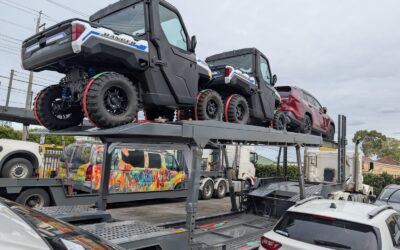
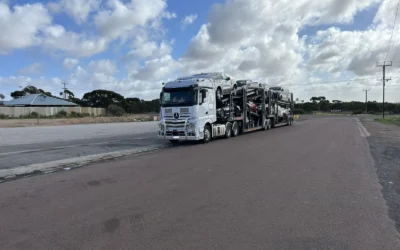
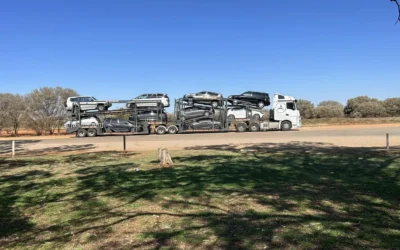
The process is simpler than most people expect. You request a quote with your pickup suburb, delivery suburb and vehicle details. Once you accept and book, a carrier is scheduled to collect your car, either from your door or a nearby depot. The vehicle is loaded onto a multi-car truck (or into an enclosed trailer), driven along the highway network, and delivered to the destination address.
Between those steps, good operators document the vehicle’s condition. At Unicorn Car Transport, for example, pre-transport inspections with photos are part of the process, so there’s a clear record of how your car looked when it was loaded. Many carriers also offer tracking links, so you’re not left wondering where your car is on day three.
The Sunshine Coast has one quirk worth knowing. It sits roughly 100 km north of Brisbane, and Brisbane is where most interstate carriers build their loads. Suburbs like Maroochydore, Caloundra, Buderim and Noosa are all easy enough to service, but a hinterland property or a narrow cul-de-sac can need a bit more planning. Mention your exact location upfront and your quote will be more accurate.
What Shapes Your Sunshine Coast Car Shipping Cost in 2026
Here’s what actually goes into a quote, in plain English.
1. Distance and route. Transport pricing follows the road. Sydney is roughly 900 km from the Sunshine Coast by the coastal route, and Melbourne is well beyond 1,700 km. Longer trips mean more driver time, fuel and scheduling work. If you want a feel for the coastal corridor, Wikivoyage’s Sydney to Brisbane guide describes the Pacific Highway and Pacific Motorway route that carriers commonly rely on.
2. Vehicle type and size. Carriers load multiple vehicles per truck, so a bigger or heavier vehicle uses more of the available space and weight allowance. SUVs, 4WDs, vans and lifted utes generally cost more to move than compact cars. Tell your transporter about modifications such as lowered suspension, roof racks or oversized tyres, because they change how the car can be loaded.
3. Open or enclosed carrier. Open carriers are the everyday choice and they’re perfectly safe for most cars. Enclosed transport shields the vehicle from weather and road debris, which makes it a popular pick for luxury, classic, collectable and high-value cars. You’ll find both options described on the Unicorn services page.
4. Door-to-door or depot. Door-to-door is the most convenient, since the truck comes to you (as far as a large vehicle can). Depot options can sometimes suit tight budgets but mean you handle the extra legs yourself.
5. Running or non-running. A car that starts, steers and brakes is simple to load. A non-drivable car needs winching and extra handling, so be upfront about its condition when you request a quote.
6. Timing and flexibility. School holidays, the end of the financial year and the lead-up to Christmas are busy. If your dates are flexible, say so. Carriers can often fit a flexible car into an existing route more efficiently than a rigid next-day request.
7. Inclusions. This is where people get caught out. Always ask whether the quote includes GST, fuel levies, tolls and insurance cover. Unicorn’s quotes include GST, fuel levies and tolls, which is the sort of transparency you should expect from any provider.
Car Transport Sunshine Coast to Sydney
The Sunshine Coast to Sydney run is one of the most popular east-coast routes, and it’s a well-serviced one. Carriers travel the Pacific Motorway south through the Gold Coast and northern NSW, then down the Pacific Highway towards Sydney. The Wikipedia entry for the NSW section of Highway 1 gives a helpful overview of how that coastal route links Brisbane, Sydney and beyond.
Because so many vehicles travel this corridor, there’s usually plenty of capacity. That often translates into more scheduling options and a fairly quick turnaround compared with longer or less common routes. Still, delivery in Sydney brings its own considerations. Some inner suburbs have tight streets, height limits or truck restrictions, so a nearby meeting point sometimes makes delivery smoother. If you’re moving house, let your carrier know the exact address early.
Car Transport Sunshine Coast to Melbourne
The Sunshine Coast to Melbourne run is the big one. You’re covering well over 1,700 km and, depending on the carrier’s route, crossing three states. That extra distance is the main reason this route is priced differently from Sydney, along with the longer transit time.
Two practical tips help here. First, book early. A longer route means the carrier needs to line up a full schedule, and early booking gives them room to do it. Second, be flexible with your delivery window. Weather, road conditions and loading along the Hume or Newell corridors can all affect timing.
Melbourne is also a major destination for Queensland movers, so there’s often steady demand. Our dedicated page for interstate car transport to and from Melbourne covers how that side of the trip works in more detail.
Vehicle Transport Sunshine Coast: Choosing the Right Service
Not every car needs the same treatment. Here’s a quick way to think it through.
- Everyday sedan or hatch: Open, door-to-door transport is usually the sensible choice.
- Family SUV or 4WD: Open transport works well, but check the size and weight limits when you request a quote.
- Luxury, or classic car: Enclosed transport is worth considering for the extra protection.
- Electric or hybrid vehicle: Tell your carrier upfront. Charge level and loading requirements can differ, and dedicated EV and hybrid transport is something Unicorn offers.
- Non-runner or project car: Flag it immediately so the right equipment is arranged.
The right choice comes down to your car’s value, your budget and how much protection you want.
Queensland Checks Before Pickup
There are two Queensland-specific things worth a quick look before collection day.
Fire ant biosecurity zones. Queensland reviews these zones regularly, and parts of the Sunshine Coast region have been included in recent updates. The rules are mostly aimed at soil, plant material and equipment that can carry fire ants, so a muddy 4WD or a vehicle with soil caked in the wheel arches is worth a proper clean before it’s loaded. Check the current map on the Queensland fire ant biosecurity zones page, since boundaries can change from month to month.
Road and weather conditions. South-east Queensland summers bring storms and flooding, and wet weather can delay a pickup or a line-haul. The Department of Transport and Main Roads runs QLDTraffic, where you can check closures and conditions for major roads. A bit of buffer in your timeline goes a long way.
How to Get an Accurate Quote (and Avoid Surprises)
A clear quote takes about five minutes to request, and the more detail you give, the more reliable it is. Have these ready:
- Pickup and delivery suburbs (not just the cities)
- Make, model and year of the vehicle
- Whether it runs and drives
- Any modifications or accessories
- Your preferred dates, and how flexible they are
- Open or enclosed transport
You can request a free quote here and compare it against what you’ve been told elsewhere. When you do compare, don’t look at the total alone. Check what’s included, whether the price is fixed or an estimate, how insurance is handled, and what happens if delivery is delayed. A quote that looks cheap but leaves out fuel levies or tolls can cost you more in the end.
Your Pre-Pickup Checklist
A little preparation makes collection day smooth.
- Wash the car so existing marks are easy to photograph and record.
- Remove personal items. Most carriers don’t cover belongings left inside.
- Keep fuel low, roughly a quarter tank, to reduce weight.
- Secure or remove loose parts such as aerials, bike racks and toll tags.
- Note any existing damage and take your own photos as well.
- Disable alarms or explain how to switch them off.
- Keep spare keys handy for the driver.
Frequently Asked Questions
How much does it cost to ship a car from the Sunshine Coast interstate?
There’s no single figure, because the cost depends on distance, vehicle size, transport type, pickup and delivery locations, condition and timing. The most reliable way to find out is to request a personalised quote with your exact details.
How long does car transport from the Sunshine Coast to Sydney take?
It’s generally faster than a Melbourne run. The exact timing depends on the carrier’s schedule, loading, weather and road conditions, so ask for an estimated window when you book.
How long does car transport from the Sunshine Coast to Melbourne take?
Expect a longer transit than Sydney, as the route is much longer and often involves multiple pickups and drop-offs along the way. Booking early gives your carrier more room to plan.
Is door-to-door vehicle transport available on the Sunshine Coast?
Yes. Door-to-door service is available where a carrier truck can safely access your street. If access is tight, a nearby meeting point is an easy workaround.
Is my car insured during transport?
Reputable carriers carry insurance for vehicles in transit, and Unicorn works with fully insured carriers. Always ask what’s covered and whether you need to declare the vehicle’s value.
Can I leave things in the car?
It’s best not to. Most carriers don’t insure personal items, and extra weight can affect loading.
Can I ship a non-running or modified car?
Often, yes, but tell your transporter at the quote stage so they can arrange the right equipment.
Final Thoughts
Interstate car transport from the Sunshine Coast doesn’t have to be complicated. Once you understand what drives the price (distance, vehicle, carrier type, timing and inclusions), you can ask better questions and spot a solid quote quickly. Whether you’re sending a daily driver to Sydney or a prized classic to Melbourne, the same rules apply: give accurate details, stay flexible where you can, and choose a provider that’s upfront about what’s included.
Ready to take the stress out of your move? Read more about Unicorn Car Transport, get in touch with the team, or request your free, no-obligation quote today.