The Short Answer (For Anyone in a Hurry)
Car transport Brisbane to Sydney usually takes a few days door to door once your vehicle is collected, though the exact timing depends on the carrier’s schedule, pickup and drop-off locations, and road or weather conditions. The final price is never a single fixed number. It’s shaped by your vehicle’s size, the type of carrier, how flexible your dates are, and how easy it is for a truck to reach your address. The quickest way to get a reliable answer is to request a personalised quote from Unicorn Car Transport Australia with your pickup suburb, delivery suburb and vehicle details.
That’s the headline. The rest of this guide explains the “why” behind it, so you can book with confidence instead of guesswork.
Why Brisbane to Sydney Is One of Australia’s Busiest Car Transport Routes
The Brisbane to Sydney corridor is a well-travelled stretch of the east coast, covering roughly 900 kilometres via the Pacific Motorway and Pacific Highway. People move vehicles along it for all kinds of reasons: a job transfer, a university move, a family relocating for lifestyle, a dealer sale, an online purchase, or a classic car heading to a new owner.
Because so many vehicles travel this way, there’s a steady flow of carriers running between Queensland and New South Wales. That’s good news for you. A busy route generally means more scheduling options and fewer long waits than you’d face on a remote regional run. Freight movements across Australia’s east coast are tracked closely by the Bureau of Infrastructure and Transport Research Economics (BITRE), which regularly reports on how heavily this corridor is used for road freight.
Brisbane to Sydney Car Transport Cost: What Really Shapes Your Quote
You’ll notice we’re not quoting a dollar figure here, and that’s deliberate. Anyone who gives you a flat price without asking questions is guessing. Here’s what actually moves the needle when someone searches for Brisbane to Sydney car transport cost:
1. Vehicle size and weight. A small hatchback takes up less room and weight on a carrier than a large SUV, a dual-cab ute or a seven-seater. Bigger vehicles use more of the truck’s capacity, which is reflected in the quote.
2. Open or enclosed transport. Open carriers are the most common option and suit everyday cars. Enclosed transport protects a vehicle from weather and road debris, which is why it’s popular for classic, prestige and collector cars. Enclosed spaces are more limited, so that is factored in.
3. Condition of the vehicle. A car that drives, steers and brakes is simple to load. A non-runner needs a winch or extra equipment and more handling time, so tell your transporter upfront.
4. Pickup and delivery access. Door-to-door is convenient, but a large carrier can’t always squeeze into a narrow street or a tight apartment complex. If access is tricky, meeting the driver at a nearby wide street or a depot can keep things smooth.
5. Timing and flexibility. Peak periods such as school holidays, end of financial year and the lead-up to Christmas tend to be busier. If your dates are flexible, you’re giving the carrier room to fit your car onto a convenient run.
6. Fuel, tolls and road conditions. Operating costs on a long interstate route fluctuate, and carriers have to account for that.
If you’d like to compare how these factors apply to your own car, the simplest step is to get a tailored quote from Unicorn Car Transport. Having your registration details, vehicle model and preferred dates ready will make it faster.
Car Shipping Brisbane to Sydney: How the Process Works
People often assume “shipping” means a boat. On this route, car shipping Brisbane to Sydney almost always means road transport on a car carrier. Here’s what a typical job looks like, step by step:
- Request a quote. Share your vehicle details, pickup and drop-off locations and preferred dates.
- Confirm the booking. Once you’re happy with the details, the transporter schedules a collection window.
- Prepare your car. Clean it, remove personal items and note any existing marks (more on this below).
- Pickup. The driver inspects the vehicle with you, records its condition and loads it securely.
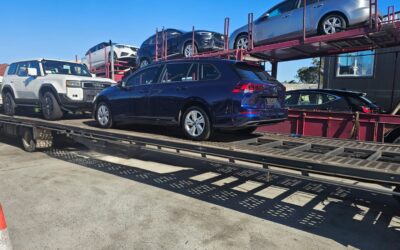
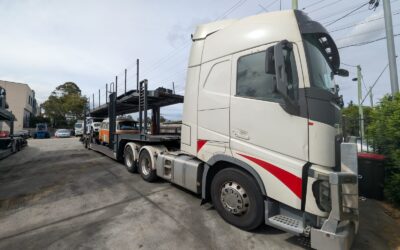
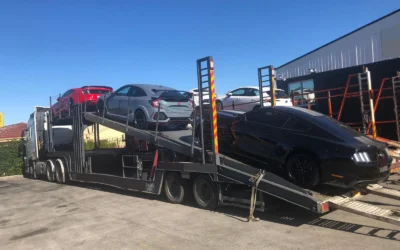
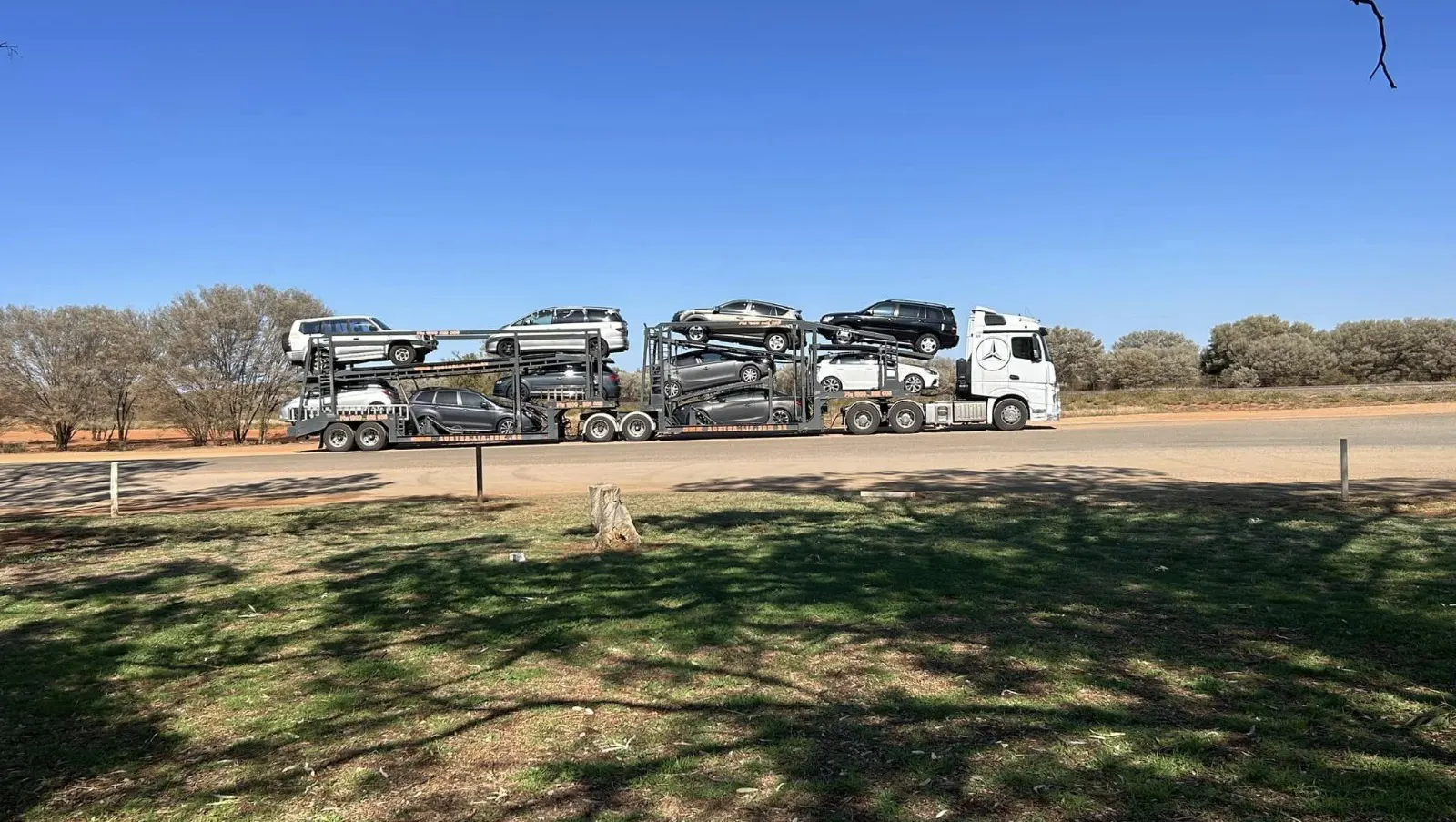
- Transit. Your car travels south on the carrier, often alongside other vehicles heading the same way.
- Delivery and inspection. On arrival, you check the car against the condition report and sign off.
It’s a surprisingly straightforward process when you’re working with a transporter who communicates clearly at every stage.
How Long Does Car Transport Take Brisbane to Sydney?
This is the question people ask most, so let’s answer it honestly. How long car transport takes from Brisbane to Sydney depends on more than distance. As a general guide, once your vehicle is on the road, the journey commonly takes a few days. But the full timeline, from booking to delivery, includes a few moving parts:
- Pickup scheduling: Carriers build routes around multiple collections, so there’s usually a pickup window rather than an exact minute.
- Driver rest requirements: Heavy vehicle drivers must follow fatigue management rules set by the National Heavy Vehicle Regulator (NHVR). These rules exist for safety, and they’re a normal part of how long-haul trips are timed.
- Multiple drop-offs: If the truck is carrying several vehicles, it may stop at more than one location on the way.
- Weather and road works: Heavy rain, flooding or highway upgrades can add time. Checking live conditions through Transport for NSW or the Queensland Department of Transport and Main Roads gives a good sense of what drivers are dealing with.
A good transporter will give you a realistic delivery window instead of a promise that sounds too good to be true. If a deadline matters, such as a handover date or a flight, say so when you request your quote.
Vehicle Transport Brisbane to Sydney: What Can Be Moved?
When people think of vehicle transport Brisbane to Sydney, they usually picture a standard sedan. In reality, carriers handle a wide range of vehicles:
- Sedans, hatchbacks and wagons
- SUVs and 4WDs
- Utes and light commercial vehicles
- Vans and people movers
- Classic, vintage and collector cars
- Sports and prestige vehicles
- Motorbikes (often with specific securing equipment)
If your vehicle is modified, lowered, unusually tall or oversized, mention it early. Ground clearance, roof racks and extra-wide mirrors can affect how it loads onto a carrier. Telling the team upfront avoids surprises on collection day.
Car Carrier Brisbane to Sydney: What to Look For
Not every car carrier Brisbane to Sydney operates the same way. Before you commit, it’s worth checking a few things:
Insurance cover. Ask what’s covered during transit and whether any excess applies. Get this in writing.
Transparent communication. You should be able to reach a real person, get updates and understand who’s handling your vehicle.
Clear condition reports. A proper inspection at pickup and delivery protects you if anything is ever disputed.
Honest timeframes. Be wary of anyone who promises a delivery date before checking their own schedule.
Fair, itemised quotes. A trustworthy quote explains what’s included. If something sounds vague, ask. Under Australian Consumer Law, businesses must not mislead customers about the price or the service they provide, and the Australian Competition and Consumer Commission (ACCC) publishes clear guidance on your rights as a buyer.
These are simple checks, but they separate a smooth experience from a stressful one.
Interstate Car Transport Queensland to NSW: Rules and Rego Basics
Moving a vehicle across the border involves a little more than loading it onto a truck, especially if you’re relocating permanently. Here’s what to keep in mind with interstate car transport from Queensland to NSW:
Registration. If you’re moving to New South Wales and plan to keep the car, you’ll generally need to transfer your registration to NSW within a set period. Service NSW and Transport for NSW set the current requirements, so check the Transport for NSW website before you move.
Biosecurity and fire ants. Parts of south-east Queensland, including the Brisbane area, sit within a fire ant biosecurity zone. Carriers and owners need to avoid moving soil, mulch and other risk items out of restricted areas. Cleaning mud and dirt from your wheel arches and undercarriage before pickup is a smart habit. The National Fire Ant Eradication Program explains the current rules and how they apply to vehicles and equipment.
Documents. Keep your registration papers, ID and any finance or ownership paperwork handy. If someone else is handing over or receiving the car on your behalf, the transporter will want to know in advance.
Tolls. Both cities have extensive toll networks, so tell your carrier if you’d like tolls on the route considered in your booking discussion.
How to Prepare Your Car Before Pickup
A little prep goes a long way. Run through this checklist before the driver arrives:
- Wash the car so existing marks are easy to spot during inspection.
- Take dated photos from every angle, plus the interior and odometer.
- Remove personal belongings and loose items. Transporters generally can’t cover things left inside.
- Keep fuel low, typically around a quarter of a tank, to reduce weight.
- Check for leaks and flat tyres so the car loads safely.
- Secure or remove loose parts like bike racks, antennas and toll tags.
- Hand over one set of keys and know who’s collecting at the other end.
- Note any quirks, such as a tricky handbrake or a low-clearance front bumper.
Ten minutes of prep can save you a lot of hassle later.
Open vs Enclosed: Which One Suits You?
If you’re moving an everyday daily driver, open transport is typically the practical choice. It’s widely used and perfectly suited to most cars. If your vehicle is a restored classic, a high-value prestige car, or simply something you’d rather keep out of the weather, enclosed transport is worth considering. Neither is “better” in every case. It comes down to your vehicle, your priorities and your comfort level.
Why Choose Unicorn Car Transport Australia?
Choosing a transporter is really about trust. You’re handing over something valuable, often one of the most expensive things you own after your home. At Unicorn Car Transport Australia, the focus is on clear communication, careful handling and straightforward answers, so you always know what’s happening with your vehicle between Brisbane and Sydney. Whether you’re moving a family SUV, a work ute or a car you’re particularly fond of, the team can talk through the options that fit your situation.
Ready to get moving? Reach out through the Unicorn Car Transport website with your pickup and delivery locations, and you’ll have a clear picture of your options without the guesswork.
Frequently Asked Questions
How much does it cost to transport a car from Brisbane to Sydney? It varies. The main factors are vehicle size, open or enclosed transport, access at both ends, timing and whether the vehicle is running. The most accurate way to find out is to request a personalised quote.
How long does car transport take from Brisbane to Sydney? Once your car is collected, the trip typically takes a few days. The overall timeline also depends on pickup scheduling, driver rest requirements, other drop-offs and conditions on the road.
Is car shipping from Brisbane to Sydney done by road or sea? On this route it’s nearly always by road, using a car carrier truck.
Can I leave personal items in the car? Generally no. Most carriers recommend removing personal belongings, and they’re usually not covered by transit insurance.
Do I need to be there for pickup and delivery? You, or someone you nominate, should be present to sign the condition report at both ends.
Can a non-running car be transported? Yes, in many cases, but let your transporter know in advance so the right equipment is arranged.
Is door-to-door service available? Often yes, subject to truck access. If your street is narrow, a nearby meeting point can work well.
Do I need to re-register my car in NSW after the move? If you’re becoming a NSW resident and keeping the car, you’ll generally need to transfer registration. Check current requirements with Transport for NSW.
Final Thoughts
Moving a vehicle between Brisbane and Sydney doesn’t need to be complicated. Know what shapes your quote, give yourself a realistic timeframe, prepare the car properly and choose a transporter who communicates openly. Do those four things, and you’ll likely find the whole experience far smoother than you expected.
When you’re ready, request your quote from Unicorn Car Transport Australia and take the stress out of your move.