Sooner or later, most car shoppers hit the same wall. The exact model, kilometres and colour you want is sitting on a yard in Brisbane, and you live in Adelaide. Local listings are thin, prices look fatter, and that one perfect car keeps nagging at you.
Good news: buying a car interstate is completely doable, and plenty of Australians do it every week. The catch is that you’re making a big decision without being able to kick the tyres yourself. This guide walks through the whole journey, from searching and inspecting to paying safely and getting the car home, so you can buy with confidence instead of crossed fingers.
Quick Answer: How Do You Buy a Car From Another State?
In short, you need to:
- Research the car and the seller thoroughly.
- Organise an independent inspection by someone local to the car.
- Check the vehicle’s history, finance and written-off status.
- Pay through a traceable, secure method, never an upfront deposit to a stranger.
- Sort out registration and transfer rules for your own state.
- Book professional transport to bring the car home.
Each step is covered below.
Why Buy a Car From Another State?
People look interstate for a few common reasons. The choice of vehicles is simply bigger, especially for rarer models, special editions and low-kilometre cars. Pricing can differ between regions. And sometimes a car has spent its life in a dry, inland climate, which many buyers prefer over a vehicle that has lived near the coast.
Those are good reasons. They’re only worth acting on, though, if you protect yourself along the way.
How to Buy a Car From Another State: Step by Step
1. Start With the Seller, Not the Car
A gorgeous photo means nothing if the seller is dodgy. Before you get attached, find out who you’re dealing with.
If it’s a dealer, check they hold a current motor dealer licence in their state and look at their reviews on more than one platform. If it’s a private seller, ask for their full name, phone number and the address where the car is kept, and be wary of anyone who dodges those questions or pushes you to move fast.
A useful rule of thumb: genuine sellers expect questions. Anyone who gets irritated when you ask for more photos, a walk-around video or service records is giving you information.
2. Ask for More Than the Advertisement Shows
Before spending a dollar on an inspection, request:
- A live video walk-around, including the engine bay, underbody, tyres and interior
- Close-up photos of any scratches, dents or wear
- The logbook and service history
- The registration details and, where relevant, the roadworthy or safety certificate
- Evidence the odometer reading matches the car’s condition
Pay attention to how the seller responds. Clear, patient answers are a good sign.
3. Check the Vehicle’s History
Every Australian car has a paper trail, and you should read it before committing. The government-run Personal Property Securities Register (PPSR) lets you check whether a vehicle has money owing on it, has been reported stolen, or has been recorded as written off. Buying a car with finance still attached can leave you in a very uncomfortable position, so this check is worth doing on every purchase, not just interstate ones.
The ACCC’s consumer guidance is also a handy starting point for understanding your rights. Keep in mind that protections differ between buying from a licensed dealer and buying privately, and the rules can vary between states and territories, so confirm what applies to your situation before you hand anything over.
Interstate Car Inspection: Why It Matters More Than Ever
When you buy locally, you can drive over, take a spin and have your mechanic look the car over. Buying interstate removes all of that, which is exactly why an interstate car inspection becomes your most important safeguard.
What Is a Pre-Purchase Car Inspection Interstate?
A pre-purchase car inspection interstate is an independent check carried out by a qualified inspector or mechanic near the car’s location, on your behalf. You book them, you pay them, and they work for you, not for the seller.
That last point is the whole game. A report supplied by the seller’s own mechanic, or by the dealership itself, isn’t independent. Choose your own inspector, and make sure they have no connection to the sale.
What a Good Inspection Should Cover
- Body and paint: signs of previous repairs, uneven panel gaps, overspray or rust
- Mechanical condition: engine, transmission, suspension, steering, brakes and exhaust
- Underbody and chassis: accident damage, corrosion or leaks
- Electronics and interior: air conditioning, infotainment, warning lights, seats and seatbelts
- Tyres and wheels: tread depth, uneven wear and matching brands
- Road test: how the car actually drives, brakes and sounds under load
- Paperwork cross-check: VIN and compliance plate matching the documents
Ask for a written report with photos. If the inspector flags something, you now have a negotiating point or a reason to walk away. Either outcome is cheaper than discovering a problem after the car has already arrived at your driveway.
Motoring clubs such as NRMA and other state-based organisations run vehicle inspection services in many areas, and independent mobile inspectors operate nationally. Choose whoever has a solid reputation near the car.
Buying a Car Sight Unseen in Australia: Is It Ever a Good Idea?
Buying a car sight unseen in Australia is a risk, plain and simple. Some people do it successfully, but they tend to do it in a disciplined way. Here’s what separates a smart sight-unseen purchase from a gamble:
- A professional inspection report replaces your own eyes.
- A live video call lets you see the car in real time rather than relying on polished photos.
- Verified paperwork confirms the seller actually owns the car.
- A written agreement spells out what’s included and what happens if the car isn’t as described.
- A secure payment method protects you if something goes sideways.
If any of those pieces is missing, slow down. And if the seller is pressuring you with lines like “I’ve got three other buyers lined up”, treat that as a red flag, not motivation. A good car will still be a good car after you’ve done your homework.
How to Pay Safely When Buying a Car Interstate
Payment is where a lot of interstate purchases go wrong, usually because buyers feel rushed or because distance makes it hard to verify who’s on the other end.
Safe Payment Habits
- Confirm identity first. The name on the registration papers should match the name on the bank account you’re paying into.
- Be cautious with deposits. A small, documented deposit to a verified dealer is different from sending money to a private seller you’ve never met. Get the deposit terms in writing, including what’s refundable.
- Use traceable payment methods. Bank transfers to a verified account or a reputable escrow-style service leave a record. Avoid gift cards, cryptocurrency or any request to pay through unusual channels.
- Don’t pay in full before the vehicle is verified. Release the balance only after the inspection checks out and the paperwork is sorted.
- Keep everything. Save emails, messages, receipts and the signed agreement.
The government’s Scamwatch site lists the common patterns used in vehicle scams, including fake listings, cars that don’t exist and sellers who vanish after receiving a deposit. It’s worth a quick read before you send any money anywhere.
A golden rule: if a deal sounds too good to be true, or the seller asks you to skip steps, it probably is.
Paperwork and Registration After Buying Interstate
Every state and territory has its own rules for transferring ownership and registering a vehicle, including whether you need a roadworthy or safety certificate, how quickly you must transfer the registration, and what inspection or compliance checks apply when a car crosses a border.
Because those details can differ and change, confirm them with your own state’s transport authority before you buy. VicRoads, for example, publishes information on transferring and registering vehicles in Victoria, and other states have their own equivalents. Checking early avoids the nasty surprise of owning a car that can’t legally go on the road yet.
Also check that the car’s compliance and identification details match the paperwork. Mismatched VINs or engine numbers are a reason to stop immediately.
How to Get a Car Home After Buying Interstate
You’ve found the car, inspected it, paid safely and handled the paperwork. Now for the big question: how do you actually get it home?
There are really three options.
Option 1: Fly In and Drive It Back
This works for some people, but it comes with real downsides. You’ll be putting long-distance kilometres on a car you’ve only just bought, taking on the risk of a breakdown far from home, and arranging flights, accommodation and fuel. If the car is unregistered or needs work, driving it may not even be legal.
Option 2: Have a Friend or Family Member Do It
Great in theory, but the same wear-and-tear and breakdown risks apply, and it can strain a friendship when something goes wrong.
Option 3: Professional Car Transport
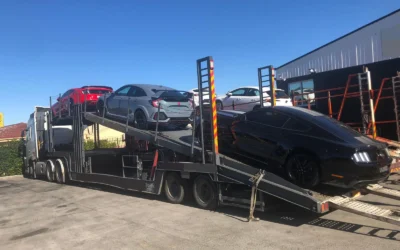
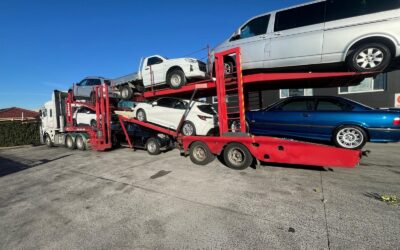
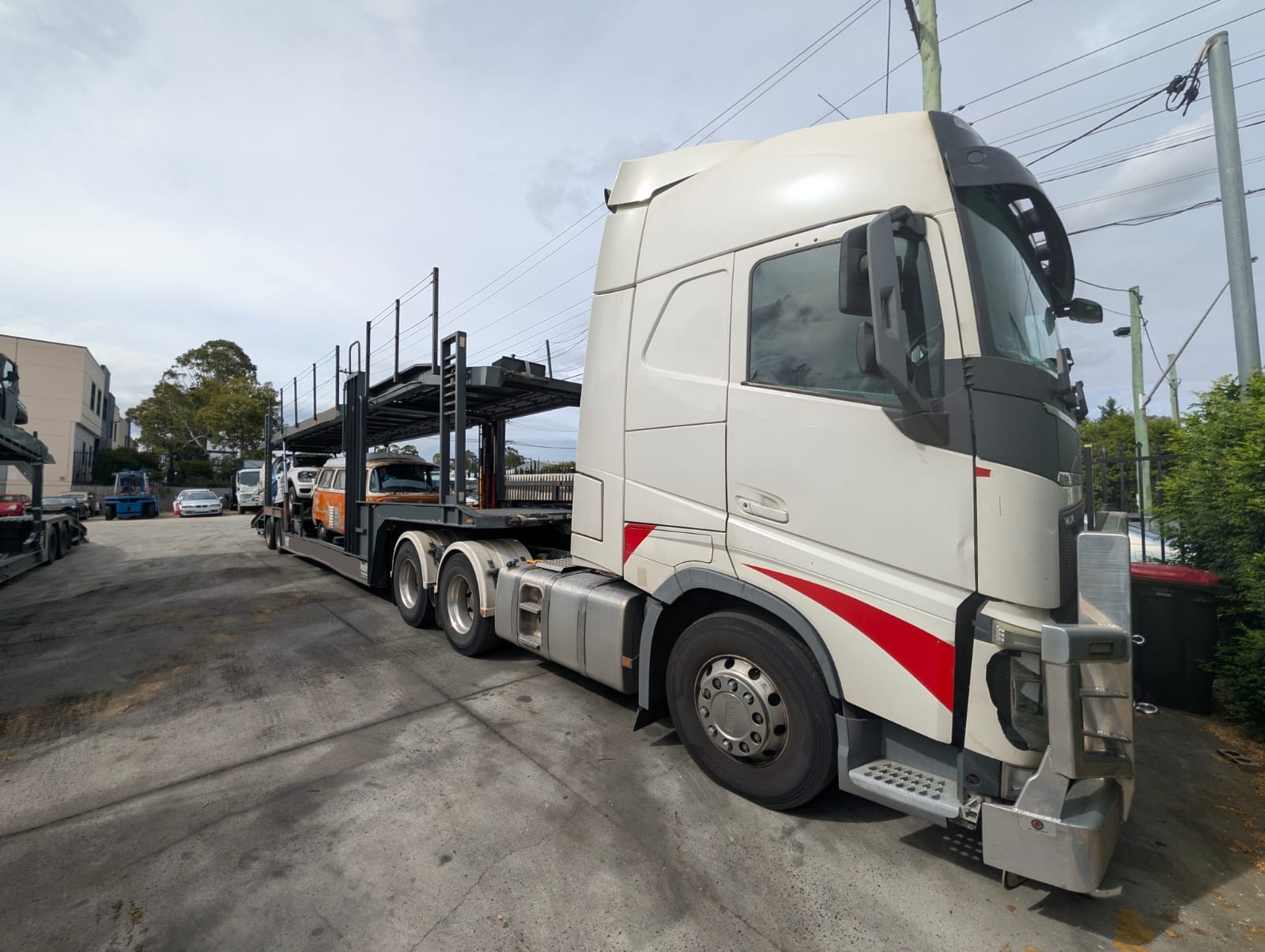
For most buyers, hiring a specialist is the cleaner, lower-stress route. When you transport a car after buying interstate with a professional carrier, the vehicle travels on a truck rather than adding kilometres to the odometer, and you don’t have to take time off work to collect it. That’s why many buyers treat transport as a standard part of the purchase, not an afterthought.
At Unicorn Car Transport, our interstate car transport service is built around exactly this situation: a car in one state, a buyer in another, and a clear plan to connect the two safely. You can see the full range of what we offer on our services page.
What to Look for When You Transport a Car After Buying Interstate
Not every transport provider is equal, so ask the right questions before you book.
- Insurance coverage: Is the vehicle covered while in transit, and what does that cover?
- Door-to-door options: Can the driver collect from the seller and deliver to you, or do you need to meet at a depot?
- Open or enclosed carriers: Open carriers are the common choice for everyday vehicles, while enclosed carriers suit premium, classic or low-slung cars.
- Communication and tracking: Will you get updates, and who do you contact if the schedule shifts?
- Condition reporting: Does the driver document the car’s condition at pickup and delivery?
- Realistic timeframes: Be wary of promises that sound too tight for the distance involved. Weather, road conditions and route length all affect delivery.
Coordinate the Handover With the Seller
This is the step many buyers overlook. Your transport provider will need to collect the car from the seller, so tell the seller early, confirm the pickup address and agree on a time window. Make sure the seller knows to hand over the keys and any spare keys, logbooks and documents, and ask them to remove personal belongings. (We’ve covered what you can and can’t leave inside in our guide on leaving personal items in your car during transport.)
Take photos of the car at pickup if you can, or ask the seller to. That gives you a clear before-and-after record.
Plan Around Your Route
Some routes are quicker than others, and longer corridors such as Perth to the east coast naturally take more time. If you’re curious how distance affects the journey, our guides on car transport from Perth to Brisbane and Adelaide to Perth break down what to expect on two of the longest runs in the country.
A Simple Interstate Car-Buying Checklist
Print this, screenshot it, stick it on the fridge:
- Verified the seller and their identity
- Watched a live video walk-around
- Checked the PPSR for finance, theft and write-off history
- Booked an independent pre-purchase inspection
- Reviewed the written inspection report
- Confirmed my state’s registration and transfer rules
- Agreed the sale terms in writing
- Paid by a traceable, secure method
- Booked professional transport and told the seller
- Documented the car’s condition at pickup and on delivery
Common Mistakes to Avoid
Falling for the photos. Good lighting can hide a lot. Insist on video and an inspection.
Skipping the history check. It takes minutes and can save you from inheriting someone else’s debt or a hidden write-off.
Paying too early. Hold the balance until the car and paperwork have been verified.
Leaving transport to the last minute. Book as soon as you’ve committed, so the pickup lines up with the seller’s availability.
Ignoring your own state’s rules. Registration requirements can catch buyers off guard, so check them before you pay.
Frequently Asked Questions
Is it safe to buy a car from another state?
Yes, as long as you verify the seller, get an independent inspection, check the vehicle’s history and pay by a secure, traceable method. Most problems come from skipping one of those steps.
What is a pre-purchase car inspection interstate?
It’s an independent inspection carried out by a qualified person near the car’s location, on your behalf, before you buy. It covers mechanical condition, bodywork, tyres, electronics and paperwork, and gives you a written report to rely on.
How do I pay safely when buying a car interstate?
Confirm the seller’s identity matches the ownership papers, use a traceable method such as a verified bank transfer, avoid unusual payment channels, and release the full balance only once the car and paperwork check out.
Can I buy a car sight unseen in Australia?
You can, but it carries extra risk. Combine a live video walk-around, an independent inspection, verified documents and a written agreement so you’re not relying on photos alone.
Do I need to inspect the car in person?
Not necessarily. A trusted independent inspector can do it for you, and a thorough written report with photos is often more detailed than a quick look from an untrained eye.
How do I get a car home after buying interstate?
The most common approach is hiring a professional carrier, which avoids adding kilometres and removes the stress of a long drive. Door-to-door collection and delivery makes it even simpler.
Who arranges the pickup from the seller?
You book the transport, then coordinate with the seller so the driver can collect the car, keys and documents at an agreed time.
Does the car need to be registered before transport?
That depends on your state and the situation. Registration and transfer rules differ across Australia, so check with your local transport authority before the car arrives.
Final Thoughts
Buying a car interstate doesn’t need to feel like a leap of faith. When you vet the seller, insist on an independent inspection, check the vehicle’s history, pay carefully and plan your transport early, the distance stops being the scary part. You end up with the car you actually wanted, rather than the closest compromise.
Ready to bring your new car home? Get in touch with the team at Unicorn Car Transport for a free quote, or contact us with any questions about moving your vehicle across state lines. You can also learn more about us and browse our FAQs for quick answers.