Quick answer: When you’re buying a car interstate, verify first and pay later. Run a PPSR search, get an independent inspection where the car is parked, put the deal in writing and pay a traceable way, straight to the registered owner. Once the sale is locked in, book a professional carrier to bring the car home, then register it in your state.
The car you’ve been hunting rarely sits around the corner. Maybe the exact model only turns up in Perth. Maybe a Brisbane seller has a far better example than anything near you. Whatever the reason, buying a car interstate is more common than most people think, and it’s completely doable.
It does ask for a bit more care, though. You can’t pop round on Saturday morning, kick the tyres and shake hands. Distance changes how you inspect the car, how you pay for it and how it actually reaches your driveway. Get those three right and the rest falls into place.
This guide walks through how we’d do it ourselves, using what we see while moving cars between states plus official advice from consumer and motoring bodies (linked throughout and listed at the end).
How to buy a car from another state: the order that works
Sequence matters more than speed. Most interstate deals that go sour do so because someone paid first and asked questions later. Here’s the order that keeps you safe:
- Screen the listing. Ask for the VIN, registration number, service history and plenty of clear photos.
- Talk to the seller. A phone call and a live video chat reveal a lot.
- Run a PPSR search for finance owing, theft or write-off records.
- Book an independent inspection where the car is parked.
- Agree the deal in writing.
- Pay safely, to the right person, by a traceable method.
- Book transport and agree a pickup window with the seller.
- Register the car in your state once it arrives.
The next few sections unpack the tricky parts: inspection, payment and transport.
Interstate car inspection: what to do when you can’t be there
You’ve got three realistic options.
Send someone you trust. A friend or relative in the seller’s city can look the car over. That’s better than nothing, but unless they know cars well, they’ll miss what a professional would catch.
Book an independent inspector. This is the gold standard. Choose a mechanic or inspection service that works for you, not the seller. Motoring clubs such as RACV offer pre-purchase inspections, and plenty of mobile inspection companies and workshops do too, so look for one near the seller.
Try a remote video assessment. Some services will have an inspector walk you through the car live on a video call. It’s handy when time is tight, but for a bigger purchase it works best alongside a written report, not instead of one.
Pre-purchase car inspection interstate: what to ask for
Not every inspection covers the same ground. NRMA’s inspection FAQs explain that its RedBook Inspect service is a visual, non-mechanical check, and RACV describes its pre-purchase inspection as a visual look at components from the outside. Both are useful, but neither is a full mechanical workup. Before you book, ask whether the report covers:
- Engine, gearbox, steering, suspension and brakes
- A cold start and, where possible, a road test
- Underbody condition: rust, leaks, signs of accident repair
- Panel gaps, paint mismatch and overspray
- Tyres, glass, lights and interior wear
- Fault codes from the onboard computer
- VIN and compliance plate matched to the paperwork
- Odometer reading compared with service records
- A written report with photos you can keep
If the seller won’t allow an independent inspection, take that as your answer. Same goes for anyone who rushes you or asks for a deposit before you’ve seen a report.
Buying a car sight unseen in Australia: how to protect yourself
Let’s be honest: buying a car sight unseen carries more risk than buying locally. Consumer Affairs Victoria warns buyers to be wary of purchasing a car they haven’t seen in person, and notes that consumer protections may be limited when you buy from another state. So don’t count on the law to rescue a rushed decision. Build your evidence instead:
- Do a live video walkthrough. Ask the seller to show the VIN plate, the odometer, a cold start and the underbody. Someone who genuinely owns the car won’t mind.
- Match the names. The seller’s ID should match the name on the registration papers.
- Run the PPSR search. The PPSR car search can show whether a car is recorded as free from debt, and may flag stolen or written-off records. It won’t tell you how much is owed, the ownership history, the odometer reading or any outstanding fines, so use it alongside an inspection, not instead of one.
- Check the service history. Ring the workshop named in the logbook if you can.
- Question the price. A price well below similar cars, plus an urgent story (“I’m moving overseas and need it gone”), is a classic scam setup.
How to pay safely when buying a car interstate
Payment is where most horror stories begin, so slow down here. The ACCC’s Scamwatch has reported a large number of vehicle scams involving escrow agents, a supposed third party who “holds” your money until the car arrives. The pattern is familiar: a below-market listing, a seller in a hurry and a link or account you’re told to use. You pay, and the car never existed.
Some ground rules:
- No money before verification. No deposit until you’ve checked the seller’s identity, the PPSR result and the inspection report.
- Be wary of escrow or “secure payment” services the seller introduces. If a third party is involved, you should be the one who found and checked them.
- Pay the registered owner. The account name should match the name on the paperwork, or the dealer’s business name. A mismatch means stop.
- Use traceable methods. A bank transfer to a verified account beats gift cards, crypto or cash by courier. Ask your bank what protections apply.
- Get it in writing. The contract of sale or receipt should list both parties’ names and addresses, the VIN, registration number, make and model, odometer reading, sale price, date and the seller’s statement that they own the car outright.
- Re-check before you pay. The PPSR itself recommends searching on the day, or the day before, you buy.
- Time the final payment sensibly. Pay the balance once the report is in hand and before the carrier arrives, so the seller has no reason to hold the car back.
Something feels off? Walk away, and report suspicious ads to Scamwatch.
Sort the paperwork before the car moves
Registration, duty and inspection rules differ between states and territories, so check with your state’s roads or transport authority before you commit. Find out which forms transfer the registration, whether an interstate car needs an inspection or identity check on arrival, how long you have to complete the transfer and what fees apply. Some states ask for a check; others don’t. Far better to learn that now than when the car is already in your driveway.
Line up insurance from the day you take ownership, too. Our moving interstate checklist covers the rego and licence side in more detail.
How to get a car home after buying interstate
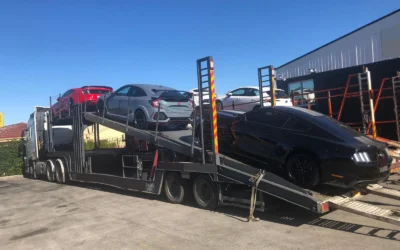
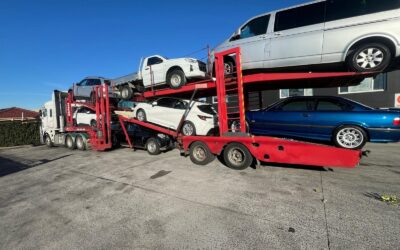
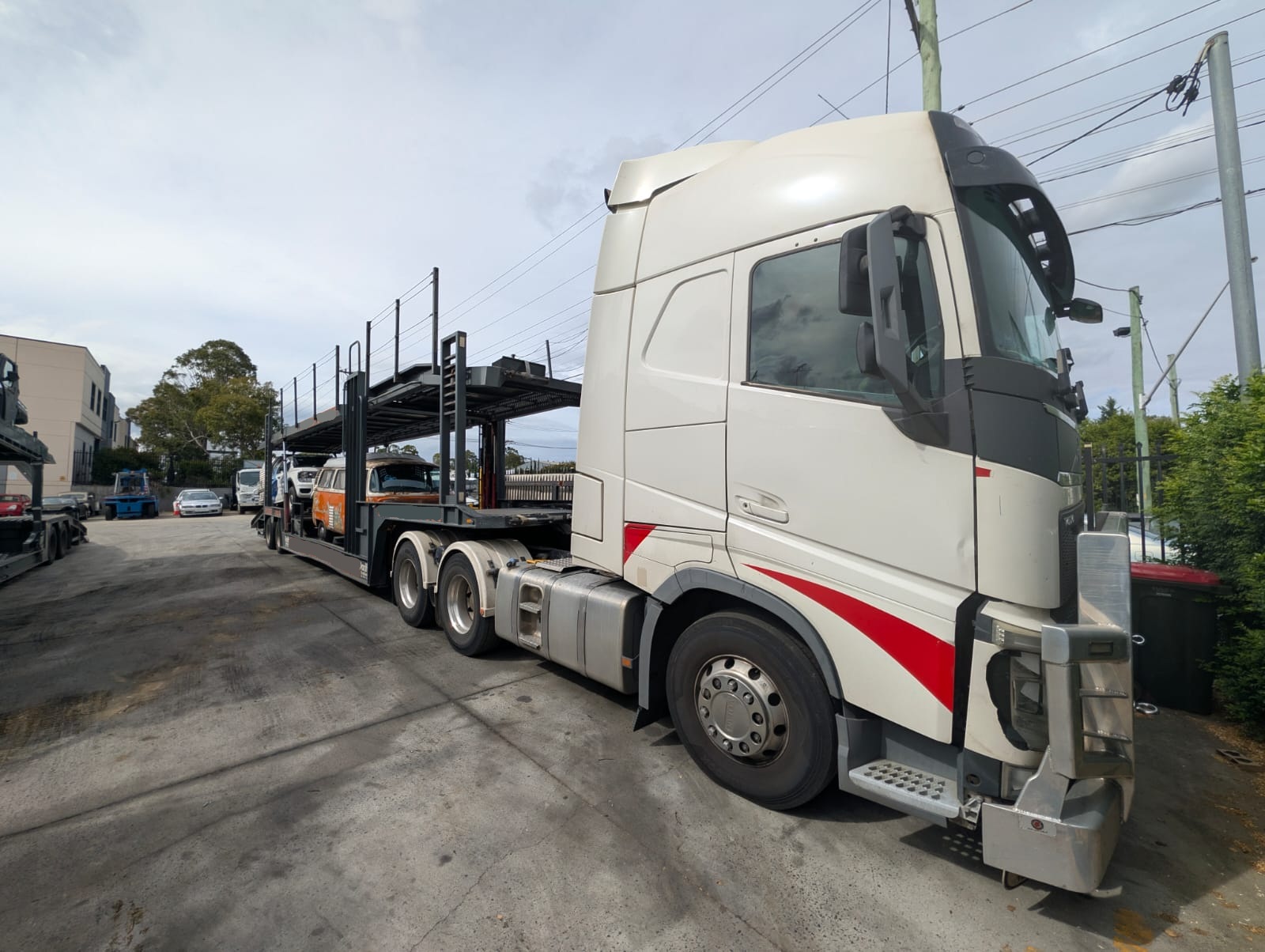
Driving it home is tempting. A road trip in your new car sounds great, and for a short hop it might make sense. On a long run, though, you’re putting kilometres on a car you barely know, paying for fuel and accommodation, and risking a breakdown a very long way from help. That’s why most buyers choose to transport a car after buying interstate with a professional carrier.
A few things to decide:
- Door-to-door or depot. Door-to-door is simplest when the seller can hand the car over at home. Depot options suit flexible schedules. Unicorn Car Transport offers both through its interstate car transport service.
- Open or enclosed carrier. Open carriers are the everyday choice. Enclosed carriers suit classics, high-value or low-slung cars. Our guide to car carrier trucks explains the difference.
- Pickup handover. The seller, or someone they nominate, needs to be there with the keys, spare keys and paperwork. Since you won’t be, ask for photos at handover. The carrier’s condition report doubles as a record of how the car left.
- Timing. Book as soon as the sale is firm and share the pickup window with the seller. Busy corridors such as Sydney to Melbourne, Melbourne to Brisbane and Brisbane to Perth are well serviced.
- Cover and tracking. Ask for transit insurance details in writing, and ask how you can follow the journey. Real-time tracking is part of how we work at Unicorn Car Transport.
On delivery day, check the car before you sign. Compare it with the pickup photos, note anything new on the paperwork before the driver leaves, then register it in your state.
Quick checklist before you buy
- Seller’s ID matches the ownership papers
- PPSR search clear, and re-checked close to payment
- Independent inspection report in hand
- Live video walkthrough done
- Written contract of sale with VIN and odometer reading
- Payment by a traceable method to the registered owner
- Registration and inspection rules checked with your state authority
- Transport booked, pickup window agreed, insurance confirmed
FAQs about buying a car interstate
Can I buy a car from another state in Australia? Yes. You’ll need to transfer the registration to your state, and the rules differ between states, so check with your local roads authority first.
Is a PPSR search enough on its own? No. It’s great for checking debt, theft and write-off records, but it doesn’t show the amount owing, ownership history, odometer reading or fines, and it can’t tell you what’s going on mechanically.
Is buying a car sight unseen safe? It can be, if you back it up with an independent inspection, a video walkthrough, a PPSR search and traceable payment. If the seller resists any of those, walk away.
How do I pay safely when buying a car interstate? Verify first, then pay by bank transfer to the registered owner’s account, with a written contract of sale. Avoid gift cards, crypto and any escrow service the seller suggests.
What’s the easiest way to get the car home? Book a professional carrier. Browse our car transport routes or check the FAQs if you’d like to know how it all works.
Final thoughts
Buying a car interstate isn’t hard. It’s just unforgiving of shortcuts. Check the car, check the seller, pay a traceable way and let someone else handle the driving. Do that, and the distance stops mattering.
When you’re ready to bring your new car home, request a free quote or contact our team. We’ll look after the pickup, the carrier and the updates along the way. You can also explore more guides on our blog or see everything we offer on our services page.