Have you noticed the sheer number of hybrids quietly taking over Australian roads lately? Whether you’re relocating from Sydney to Perth, moving for a new job, or finally getting your hands on a newly released model from interstate, moving these eco-friendly cars isn’t quite the same as shipping a traditional petrol vehicle.
If you’re looking to move your vehicle safely across the country, you need a team that understands the nuances of heavy battery packs, electronic drivetrains, and specific safety protocols. That’s exactly where Unicorn Car Transport Australia steps in.
In this guide, we’ll walk you through everything you need to know about hybrid vehicle transport down under, ensuring your high-tech ride gets from point A to point B without a hitch.
The Hybrid Boom on Australian Roads
Australians are making the switch to lower-emission vehicles faster than ever. Recent industry data shows record sales of electrified vehicles, with hybrids making up a massive chunk of new car purchases in 2026. As these cars become a staple in Aussie driveways—from the bustling city centre of Melbourne to regional hubs in Queensland—the demand for specialized interstate car transport has skyrocketed. But what makes moving them so different from hauling a standard internal combustion engine (ICE) car?
Is Transporting a Hybrid Different from a Regular Car?
Yes, and it mostly comes down to two major factors: weight and batteries.
- The Weight Factor: Hybrid vehicles carry both an internal combustion engine and a dense battery pack. This dual-system setup makes them considerably heavier than standard cars of the exact same size. Transport carriers have to carefully calculate deck loading and weight distribution across the truck to comply with strict Australian transport safety guidelines.
- Battery Safety Protocols: Lithium-ion and NiMH batteries require specialized care. Unlike a traditional car where logistics teams generally just check for fuel leaks, moving a hybrid means transport crews must be hyper-aware of high-voltage systems. Professional drivers are trained to look out for underbody damage or specific coolant leaks that could indicate a compromised battery housing.
Understanding the Types of Hybrids We Move
Not all hybrids are created equal, and their transport requirements can vary slightly depending on their classification:
- Mild Hybrids (MHEV): These feature a very small battery that assists the engine but cannot power the car alone. They are the closest in weight to standard vehicles.
- Full Hybrids (HEV): These self-charging cars (like the ubiquitous Toyota RAV4 Hybrid) have larger batteries and represent the bulk of hybrid transport requests.
- Plug-in Hybrids (PHEV): Featuring the largest batteries of the bunch, PHEVs add the most significant weight to a transport carrier and require careful handling.
Your Pre-Transport Checklist
Before handing your keys over to the logistics team, there are a few crucial things you should do to prep your hybrid for the journey:
- Manage Your Battery Levels: Transporting a hybrid with a 100% full battery isn’t recommended, nor is sending it completely flat. Aim to keep the charge between 20% and 50%. This aligns perfectly with official hybrid battery maintenance guidelines to ensure the battery remains stable and doesn’t degrade during transit.
- Disable Smart Features: Many modern hybrids have companion smartphone apps that monitor the car’s location or actively attempt to “wake up” the vehicle’s systems. Disable these tracking features so they don’t drain the 12-volt auxiliary battery while sitting on the trailer.
- Check for Underbody Damage: Hybrid batteries are generally located underneath the vehicle or in the rear floorboard. Do a quick visual inspection before loading. If there’s existing damage or a leak (hybrid coolant is often clear or blue), notify your transport provider immediately.
Open vs. Enclosed Transport for Hybrids
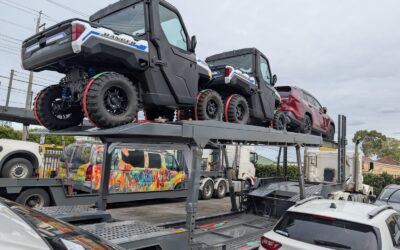
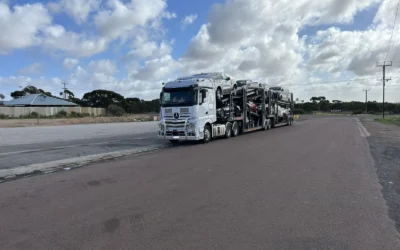
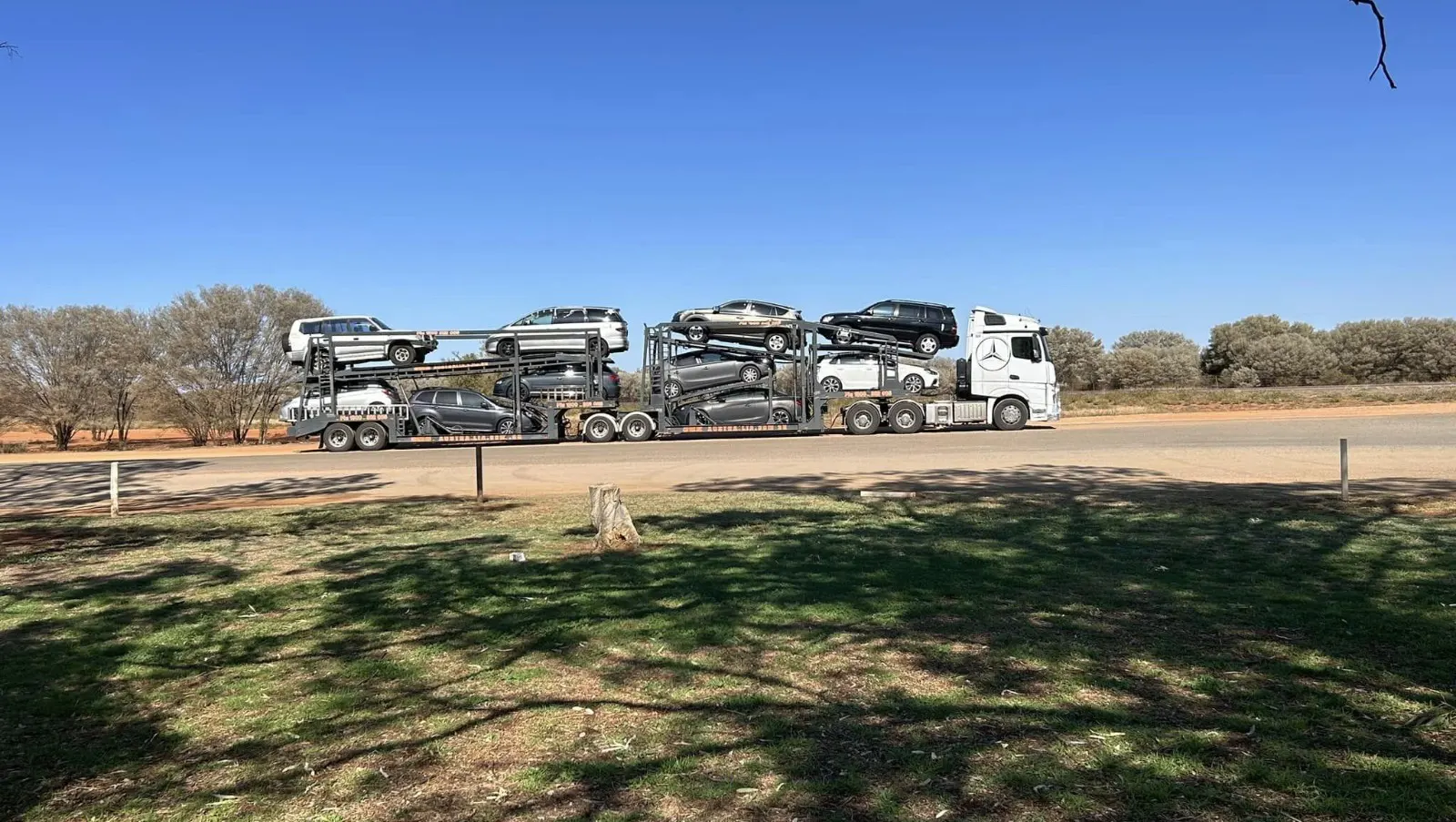
When booking your hybrid vehicle transport, you’ll generally choose between open-air transport and enclosed transport. Open transport is the industry standard—it’s highly efficient and perfect for everyday commuter hybrids. However, if you are transporting a luxury PHEV or a brand-new showroom model, enclosed transport offers an extra layer of premium protection against the harsh Australian elements, dust, and road debris.
Why Trust Unicorn Car Transport Australia?
Your hybrid isn’t just a car; it’s a significant investment in advanced technology. When you choose Unicorn Car Transport Australia, you’re partnering with a company that puts safety, compliance, and vehicle integrity first.
Our experienced drivers understand the specific tie-down procedures required to avoid damaging sensitive underbody battery casings. We strictly use soft-strap wheel tie-downs rather than older chassis chain methods that could easily pinch, crush, or sever the high-voltage lines running under a hybrid vehicle.
The Bottom Line
Relocating your hybrid across the country doesn’t have to be a headache. By doing a little prep work and partnering with a logistics company that actually understands the technology under your hood, you can ensure your car arrives safely, efficiently, and ready to drive.
Ready to get your hybrid moving? Reach out to the team at Unicorn Car Transport Australia today and experience the difference of true specialized care.