If you’ve started asking around about car transport from Melbourne to Adelaide, you’ve probably noticed something frustrating already: nobody gives you a straight number. Ask three companies and you’ll get three different answers. You’ll also get a dozen follow-up questions before anyone commits to a figure. That’s not the industry being cagey. Melbourne to Adelaide car transport genuinely depends on a handful of moving parts, and those parts change with every booking.
This guide won’t hand you a fixed price. Nobody honestly can — not before they know your vehicle, your dates, and your pickup details. Instead, this guide walks you through what actually shapes your quote. It covers how the route works, too, and how to check that the number you eventually get is a fair one.
Quick answer: Several factors drive the cost of car transport from Melbourne to Adelaide. These include the transport method (open or enclosed), your vehicle’s size and condition, and whether you choose door-to-door or depot-to-depot service. How far ahead you book and how much seasonal demand is on the road also play a part. No single “standard” rate exists. The only reliable way to know your figure is to request a quote with your specific details.
What Actually Decides the Cost of Your Melbourne to Adelaide Car Transport?
Every interstate car transport quote combines a handful of variables. Once you know what they are, the whole process stops feeling like a black box.
- Transport method. Open-air carriers versus fully enclosed trailers.
- Vehicle size and weight. A hatchback and a dual-cab ute don’t take up the same deck space.
- Running condition. A car that drives on and off under its own power loads more easily than one that needs winching.
- Pickup and delivery type. Door-to-door collection takes more logistical effort than dropping the car at a depot yourself.
- Booking lead time. Locking in a date weeks ahead usually gives carriers more flexibility to slot you into an existing route.
- Seasonal demand. End-of-financial-year, the Christmas–New Year period, and university relocation season all push demand up along this corridor.
- Insurance and cover level. The extent of coverage you choose affects the overall package.
None of these factors work alone. Take two examples. A near-new SUV needing enclosed transport and door-to-door service during December’s peak week will cost more. Compare that to a small hatchback you drop at a depot on a quiet Tuesday in winter. That’s exactly why a genuine quote beats a generic price list every time.
The Melbourne–Adelaide Route: How Far Is It, and How Long Does It Actually Take?
Wikipedia’s route data puts the direct road distance between Melbourne and Adelaide at roughly 730 kilometres. The route follows the Western Highway out of Melbourne, crosses into South Australia, and continues on the Dukes Highway — together forming National Highway A8. Drive it yourself non-stop and you’re looking at around eight to nine hours behind the wheel.
Car carriers don’t work that way, and that trips a lot of people up. A car-carrying truck isn’t a dedicated courier van making a single run. Carriers typically load multiple vehicles bound for different addresses along a broader interstate route. National heavy vehicle rules also govern these trucks. They cover vehicle dimensions, mass limits, and driver fatigue management, as the National Heavy Vehicle Regulator’s vehicle carrier authorisation guidance outlines. All of this means your car’s actual transit window depends on the carrier’s schedule, not just the straight-line distance. Book early, and you’ll usually get a more predictable timeframe.
Open vs Enclosed Transport: Which One Do You Actually Need?
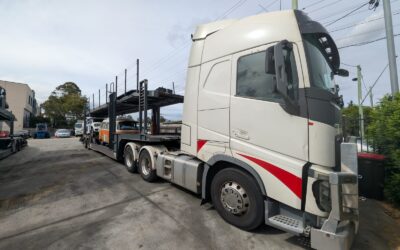
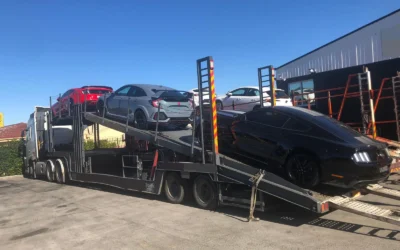
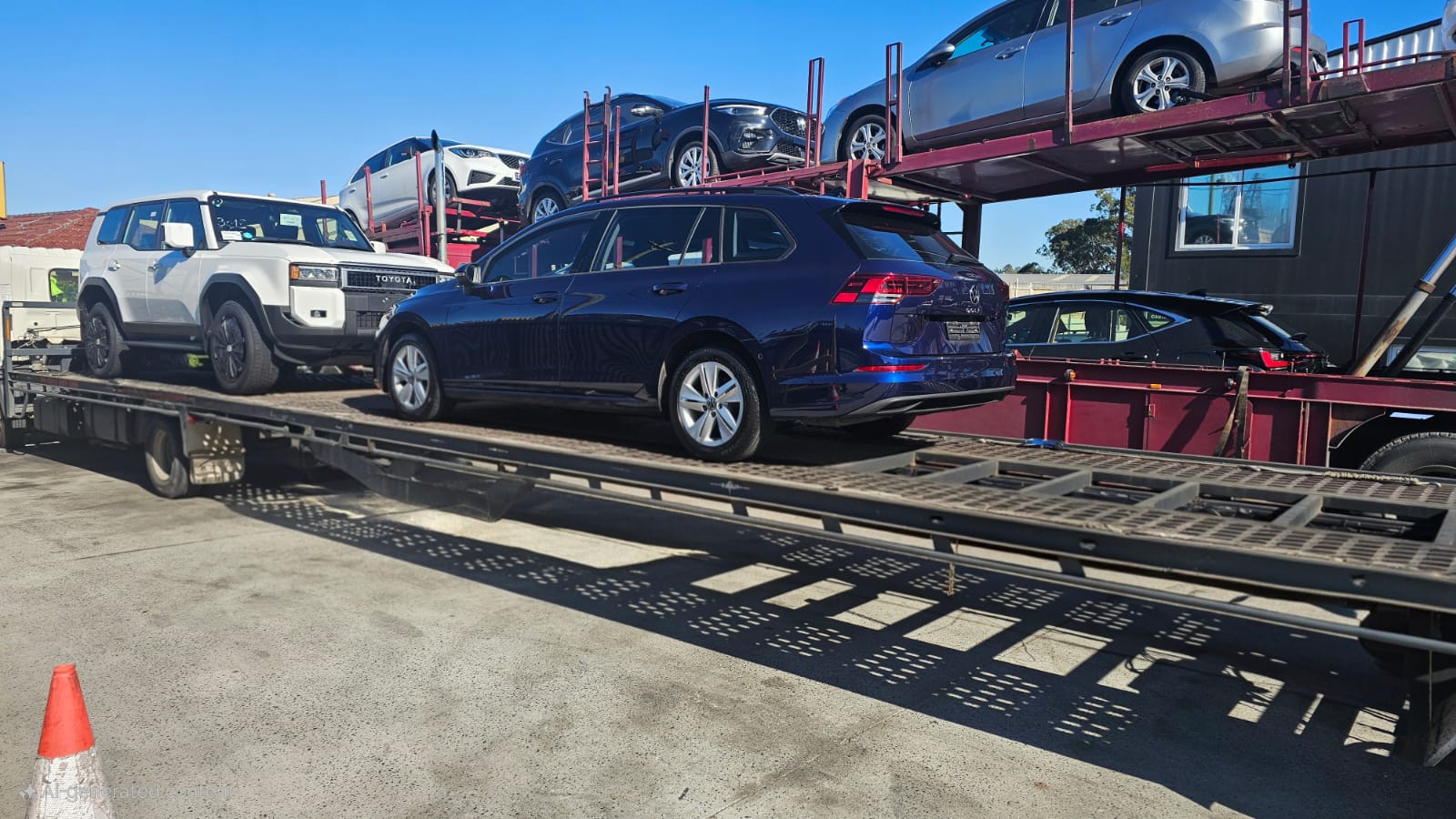
Most vehicles moving between Melbourne and Adelaide travel on open carriers. You’ve probably seen this type of multi-level truck hauling new cars from a dealership. It’s the standard, cost-effective option, and it suits the vast majority of everyday vehicles. Carriers secure each car individually, and manufacturers build these trucks specifically for the job.
Enclosed transport suits a smaller slice of the market. Think classic cars, low-clearance sports cars, or new vehicles a dealer delivers pre-registration. It also suits anyone who wants to shield their paintwork from road dust and weather. It’s a legitimate choice, just not one most people need for a standard sedan or SUV. Not sure which category your vehicle falls into? Ask directly when you enquire about interstate car transport services.
Getting a Quote That Actually Reflects Your Move
Here’s where people go wrong. They collect two or three numbers from different companies and assume they’re comparing like for like. They rarely are. One quote might include full door-to-door collection. Another might quietly assume you’re dropping the car at a depot. One might bundle in a higher level of cover. Another might leave you to arrange your own.
The Australian Competition and Consumer Commission publishes general guidance on buying products and services. It’s a useful reminder here: reputable providers explain exactly what’s included before you commit, not after. When you compare car transport quotes, ask each company the same questions. Is this door-to-door or depot-to-depot? What happens if my vehicle doesn’t start? What level of cover do you include? A like-for-like quote makes your final decision far simpler than eyeballing a list of numbers with no context.
Preparing Your Car Properly Saves You Headaches Later
A smooth handover comes down to a bit of preparation on your end. Before pickup day:
- Wash the car so any existing marks, scratches, or dents show clearly during the pre-transport inspection.
- Photograph it from all angles, with timestamps, for your own records.
- Remove loose or valuable items from the cabin and boot.
- Leave roughly a quarter tank of fuel — enough to load and unload, not enough to add unnecessary weight.
- Check for fluid leaks and note anything mechanical the driver should know.
- Disable aftermarket alarms that could go off mid-transit.
Most transport companies complete a formal condition report at pickup and again at delivery. That report protects you if a dispute comes up later. Want the full picture? Our guide to vehicle condition reports covers exactly what that document includes and why it matters.
What About Insurance?
This is one area worth understanding properly, not skimming past. Cover levels differ between providers. And “insured” can mean very different things depending on what your specific policy includes. Before you book, ask three questions. What does the policy cover? How does the claims process work? Does it exclude pre-existing damage or non-running vehicles? Our guide to interstate car transport insurance breaks all of this down — worth a read no matter which company you book with.
Don’t Forget: Registering Your Car in South Australia Once It Arrives
People overlook this part constantly, and it’s specific to this particular move. If you’re relocating to South Australia permanently, your vehicle can keep running on its interstate registration for a limited window after arrival. After that window closes, you must transfer it into SA registration, or you risk driving an effectively unregistered vehicle. SA.GOV.AU’s official guidance on transferring an interstate vehicle explains the process. Visit a Service SA centre with proof of identity and your current interstate registration certificate to complete the switch. It’s a small administrative step. It’s also an easy one to forget when you’re focused on the move itself. Put a reminder in your calendar the moment you book your car transport.
Practical Ways to Manage What You Pay — Without Cutting Corners
You can’t change the distance between Melbourne and Adelaide. You do have real influence over the final number, though:
- Book ahead where you can. Locking in a date with notice gives carriers room to fit your vehicle into an efficient route, instead of scrambling for a last-minute slot.
- Stay flexible on pickup and delivery windows. A tight, fixed time slot is harder to accommodate than a flexible one.
- Consider depot-to-depot if it suits you. Dropping off and collecting the vehicle yourself removes a layer of logistics compared with door-to-door service.
- Avoid peak periods if your dates aren’t fixed. December through January and the end of the financial year tend to bring the busiest demand on this corridor.
- Stick with open transport unless you have a specific reason not to. Enclosed transport pays off for the right vehicle, but most everyday cars don’t need it.
None of this means settling for a lower standard of service. It just means matching your booking to what you actually need.
Frequently Asked Questions
How long does car transport from Melbourne to Adelaide take? Transit time depends on the carrier’s route and existing schedule, not the straight-line driving distance. Book with reasonable lead time and you’ll generally get a more predictable window.
Is open-air car transport safe for the Melbourne to Adelaide route? Yes. Carriers use open transport as the standard method for interstate vehicle moves across Australia. It suits the vast majority of cars, utes, and SUVs.
Do I need to be present for pickup and delivery? Usually, yes — you or an authorised representative needs to hand over the keys, sign off on the condition report, and confirm delivery. Depot drop-off and collection can simplify this if your schedule is tight.
What’s the difference between door-to-door and depot-to-depot transport? Door-to-door means the carrier collects and delivers directly at your addresses. Depot-to-depot means you drop the car off at a fixed location and collect it from there yourself, which can cut down the logistics.
Can I leave personal items inside the car during transport? It’s best not to. Most policies don’t cover loose personal belongings, and extra weight isn’t ideal for loading. Stick to the vehicle’s own equipment.
How far in advance should I book my car transport? Aim for a few weeks ahead as a sensible target. Book earlier still if you’re moving during a peak period like December–January or the end of the financial year.
The Bottom Line
No single number applies to every car transport from Melbourne to Adelaide booking. Stay wary of anyone who quotes one before asking about your vehicle. What you can control is your own preparation. Understand the factors that shape your quote. Know what to ask when you compare providers. Sort your paperwork early — right down to your South Australian registration — before the truck even arrives.
Ready to see what your move actually involves? Get a free quote tailored to your vehicle and your dates. Or get in touch with our team if you’ve still got questions. You can also browse our FAQs for quick answers on how the process works from start to finish.