Picture this: you’ve just bought a used Commodore off Marketplace, or you’re about to hand your car keys to a driver who’s taking it interstate. Either way, someone hands you a form with a little cartoon car on it and asks you to circle every scratch, chip, and dent you can find. That form has a name — a vehicle condition report — and knowing how to read it (or fill it out properly) can save you a genuine headache down the track.
This guide walks through what a vehicle condition report actually is, why it carries real weight under Australian law, what separates a basic checklist from a comprehensive vehicle condition report, and where these documents show up in everyday life — from buying a second-hand car to shipping one across the country.
What Is a Vehicle Condition Report, Exactly?
At its simplest, a vehicle condition report is a written (or digital) record of a car’s physical and sometimes mechanical state at a specific point in time. It notes the vehicle’s identifying details, documents any existing damage or wear, and is usually signed off by the people involved so there’s an agreed reference point everyone can point back to later.
You’ll come across these reports in a handful of different settings, and the format tends to shift slightly depending on the purpose:
- Used car sales — dealers and private sellers use them to disclose a vehicle’s condition before money changes hands.
- Auctions and wholesale trading — an independent inspector assesses the car so buyers aren’t bidding blind.
- Rental and fleet vehicles — recorded at the start and end of a hire period to sort out who’s responsible for new damage.
- Vehicle transport and logistics — completed jointly by the driver and customer at pickup and again at delivery, forming the backbone of any damage claim.
The common thread across all of these is accountability. A condition report turns “it looked fine to me” into something documented, dated, and much harder to argue with.
Why Vehicle Condition Reports Matter Under Australian Law
Australia’s used car market runs on trust that’s backed up by paperwork, and consumer protection law leans on exactly this kind of documentation. Under the Australian Consumer Law, vehicles sold by a licensed dealer come with consumer guarantee rights — the car has to be of acceptable quality and match how it was described, and the ACCC is the body that oversees how those guarantees apply to new and used cars.
If a dispute ever comes up about whether damage existed before a sale, before a hire, or before a vehicle went on a transport truck, a properly completed condition report is often the single most useful piece of evidence either side has. It’s also worth pairing a condition report with a Personal Property Securities Register (PPSR) search before buying a used vehicle, since a condition report tells you what a car looks like right now, while a PPSR check tells you its finance, theft, and write-off history — two very different but equally important pictures.
State consumer affairs bodies, including NSW Fair Trading, publish their own guidance on what buyers and sellers should check and disclose, and it’s genuinely worth a skim before any private sale.
What’s Included in a Comprehensive Vehicle Condition Report
Not all condition reports are created equal. A scribbled note that says “minor scratches, drives fine” isn’t going to protect anyone in a dispute. A comprehensive vehicle condition report, on the other hand, is thorough enough to stand on its own as evidence. It typically covers:
- Vehicle identification — VIN or chassis number, registration plate, make, model, year, and colour
- Odometer reading at the time of inspection
- Exterior condition — panel-by-panel notes on scratches, dents, rust, paint fading, and glass condition
- Interior condition — upholstery, dashboard, electronics, and any warning lights
- Wheels and tyres — tread depth, damage, and mismatched sets
- Mechanical notes — fluid leaks, unusual noises, or anything flagged during a test or walk-around
- Existing modifications — aftermarket parts that could affect warranty or insurance
- Photographic evidence — timestamped images from multiple angles, including close-ups of any damage
- Diagram markings — a simple outline of the vehicle with damage points marked
- Signatures and date — from every party involved, confirming everyone agrees on what’s recorded
The photos and diagram are what really elevate a report from “adequate” to genuinely comprehensive. Written notes can be vague (“small scratch, rear”) in a way that a clear, well-lit photo simply isn’t.
Vehicle Condition Report vs Roadworthy Certificate vs PPSR Check
These three terms get mixed up constantly, so here’s the difference at a glance:
| Document | What It Actually Tells You | Who Issues It |
|---|---|---|
| Vehicle Condition Report | Current cosmetic and general condition at a specific moment | Seller, dealer, inspector, or transport driver |
| Roadworthy Certificate | Whether core safety items meet the minimum legal standard | Licensed inspection station or approved mechanic |
| PPSR Check | Finance owing, theft status, and written-off history | Australian Financial Security Authority (national register) |
None of these documents replaces the others, and that’s the important bit. A roadworthy certificate won’t tell you about cosmetic scratches, a PPSR check won’t tell you the tyres are bald, and a condition report won’t confirm whether the car is legally safe to register. Anyone buying, selling, hiring, or transporting a vehicle in Australia is generally best served by treating all three as complementary, not interchangeable.
When Do You Actually Need One?
A vehicle condition report earns its keep in more situations than most people expect:
- Buying privately — protects you if the seller’s description turns out to be generous with the truth
- Buying from a dealer — creates a paper trail that supports your rights under the Australian Consumer Law
- Selling your car — shields you from being blamed for damage a new owner caused after handover
- Registering an unregistered vehicle — useful supporting documentation alongside inspection paperwork
- Renting or leasing — sorts out who pays for what when the vehicle goes back
- Before and after interstate transport — the exact scenario where these reports do their heaviest lifting
Vehicle Condition Reports and Interstate Car Transport
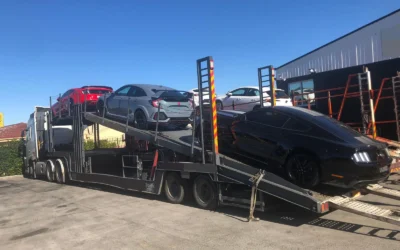
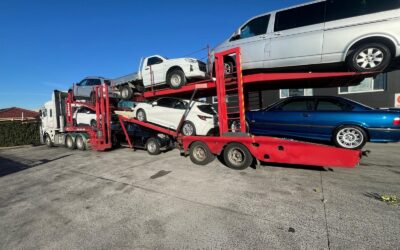
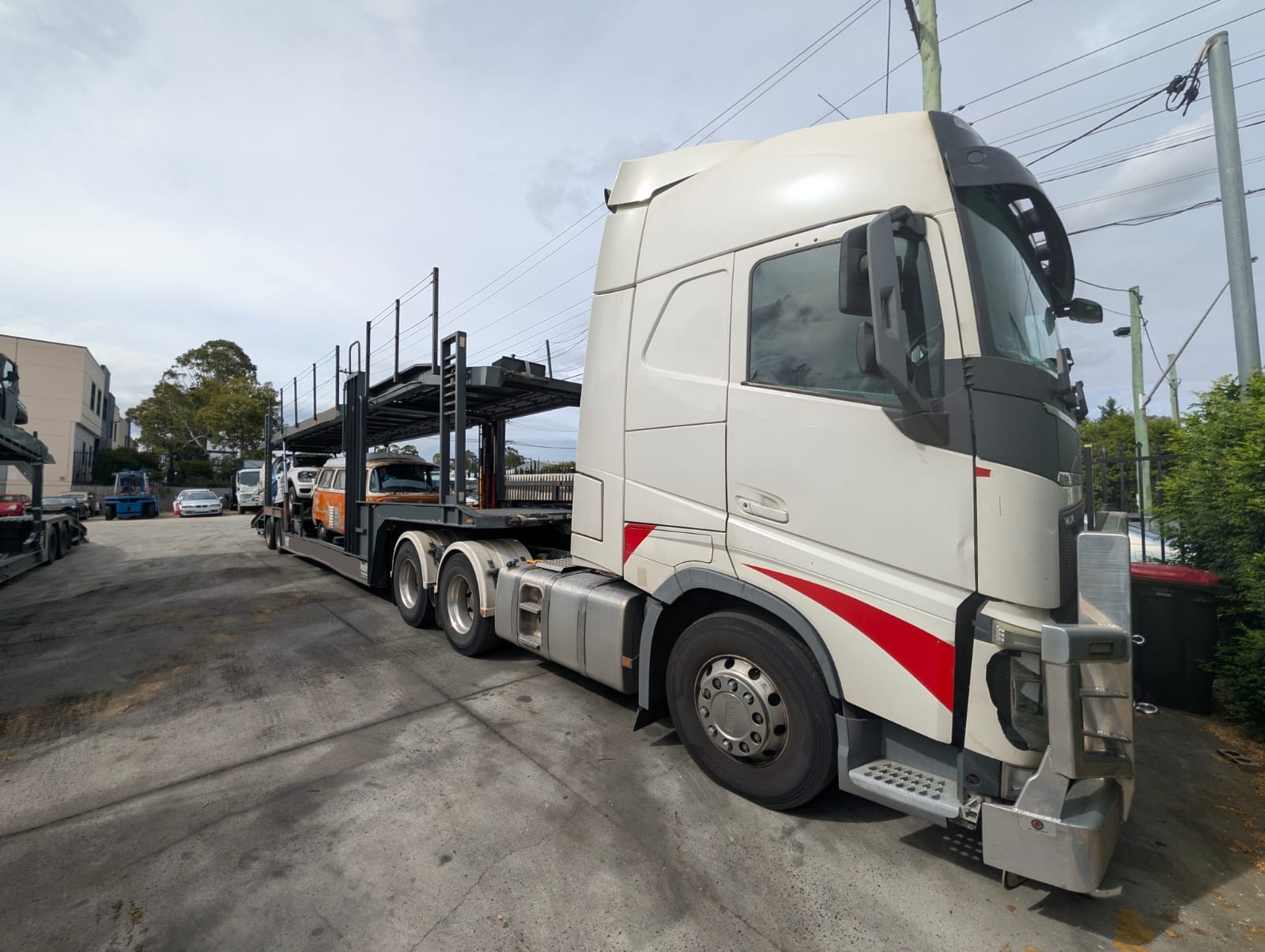
This is where a comprehensive vehicle condition report becomes genuinely essential rather than just a nice-to-have. When a car travels interstate on a carrier, it changes hands at least twice — once at pickup, once at delivery — and often sits on a truck for several days in between. A joint condition report, completed by the driver and the vehicle owner together at both ends, is what separates a smooth handover from a drawn-out dispute.
At Unicorn Car Transport, a thorough condition check happens before your vehicle is loaded, and the same walk-around is repeated at delivery so you and the driver can compare notes side by side. Photos are taken from every angle, existing wear is noted honestly, and both parties sign off before the vehicle moves an inch. It’s the same principle that underpins interstate car transport insurance — cover only works properly when there’s a clear, agreed record of what the vehicle looked like before it ever left the yard.
This matters even more for vehicles that carry a bit more risk or value. If you’re arranging luxury or prestige car transport, or weighing up open versus enclosed transport for a car you’re precious about, ask any provider how detailed their condition reporting process actually is before you book. It’s a fair question, and a good transport company won’t dodge it.
If you’re still comparing providers, our guide on getting an accurate car transport quote covers the other questions worth asking upfront, condition reporting included.
How to Fill Out (or Read) a Vehicle Condition Report Properly
Whether you’re the one writing it or the one reviewing it, a few habits make a real difference:
- Inspect in good light. Overcast daylight or a well-lit garage beats a dim driveway at dusk every time — poor lighting hides damage that becomes obvious later.
- Walk the full perimeter. Don’t just glance from one spot. Check bumpers, wheel arches, the roof, and underneath where practical.
- Photograph everything, not just the damage. Wide shots establish context; close-ups establish detail. Timestamp them if your camera allows it.
- Be specific in your notes. “Scratch, 10cm, rear-left door, above handle” holds up far better than “small mark.”
- Check the odometer and fuel level. Small details, but they matter if a dispute ever escalates.
- Read before you sign. Once both parties sign, the report becomes the reference point — don’t sign anything you haven’t actually checked against the vehicle in front of you.
- Keep your copy somewhere safe. A digital photo of the signed report on your phone is a sensible backup to the physical or emailed copy.
Common Mistakes That Cause Disputes
A few recurring issues tend to turn a routine condition report into a genuine argument:
- Inspecting in poor lighting and missing damage that’s obvious later
- Vague descriptions that could apply to almost any mark on the car
- Skipping photos entirely, or only photographing one side of the vehicle
- Signing without actually reading what’s written
- Losing the paperwork before it’s needed
Most of these come down to rushing. A condition report only takes a few extra minutes to do properly, and those minutes are exactly what protect you if something goes wrong later.
FAQs About Vehicle Condition Reports
Is a vehicle condition report legally required in Australia? There’s no single national law forcing every transaction to include one, but licensed dealers have disclosure obligations under the Australian Consumer Law, and many state licensing conditions expect some form of inspection documentation. In transport and rental contexts, it’s standard industry practice rather than a strict legal mandate — but it’s the document you’ll wish you had if a dispute ever comes up.
What’s the difference between a vehicle condition report and a bill of lading? A condition report focuses purely on the vehicle’s physical state. A bill of lading is broader — it’s the shipping contract and receipt, and in auto transport it often has a condition report built into the same form.
Who fills out a vehicle condition report during car transport? Ideally, both the driver and the vehicle owner (or their representative) complete it together, at both pickup and delivery, and both sign off on the final version.
Can I request a copy of my vehicle condition report? Yes. A reputable provider should hand over a signed copy at pickup and another at delivery, either on paper or digitally, without you needing to ask twice.
Does a comprehensive vehicle condition report replace a roadworthy certificate or PPSR check? No. Each document answers a different question — condition, legal safety, and ownership/finance history respectively. Buyers and sellers are best off checking all three where relevant.
The Bottom Line
A vehicle condition report might look like a minor piece of paperwork, but it’s genuinely one of the most protective documents in the entire car ownership journey — whether you’re buying, selling, hiring, or shipping. A comprehensive vehicle condition report, backed by clear photos and honest notes, turns “he said, she said” into something documented and defensible.
If your next step involves moving a vehicle interstate, it’s worth asking your transport provider exactly how they handle condition reporting at pickup and delivery. At Unicorn Car Transport, it’s built into every job as standard. Explore our interstate car transport services or request a free quote to see how we look after your vehicle from the moment it leaves your driveway to the moment it arrives at your door.