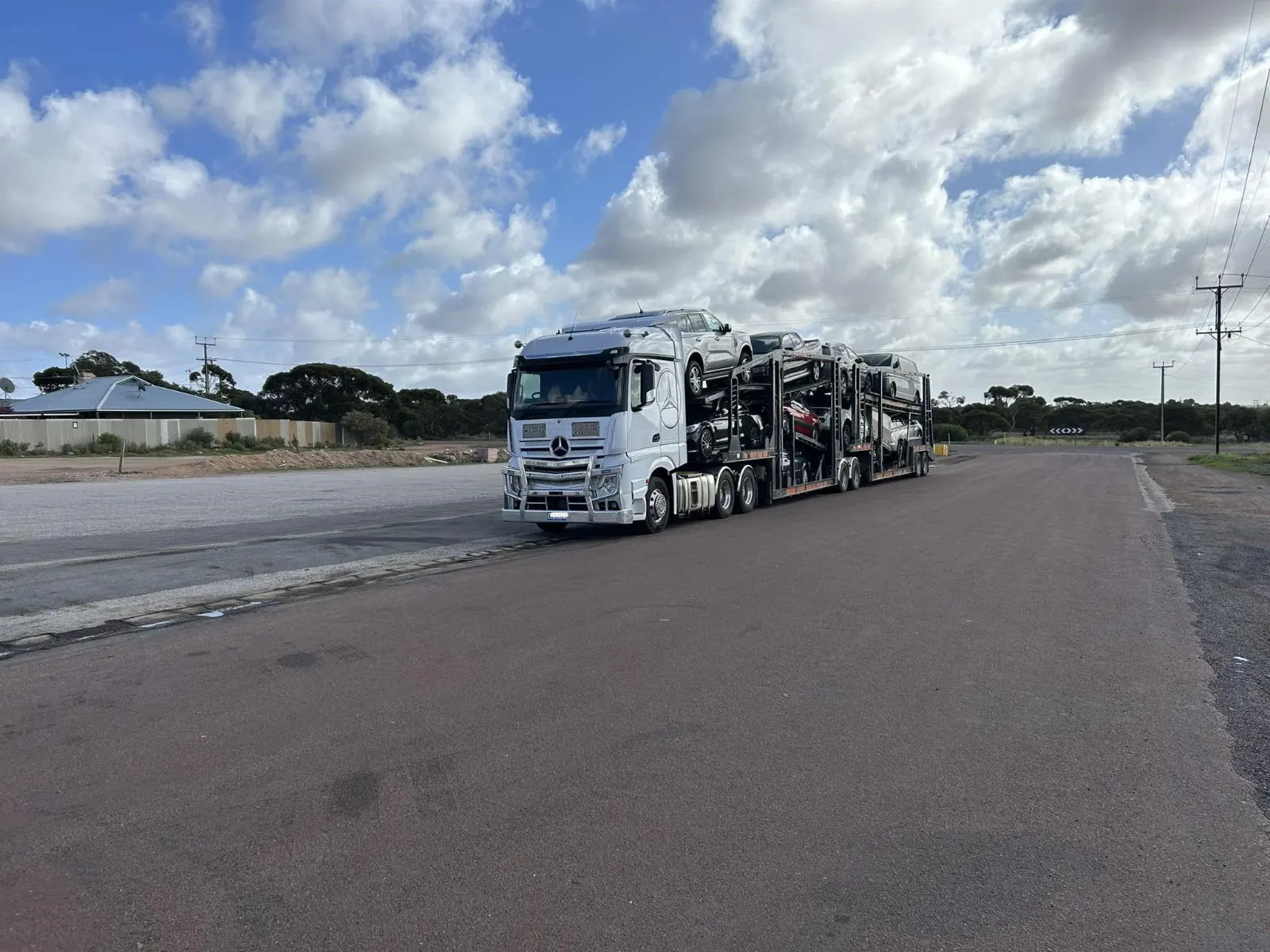
Melbourne and Brisbane sit at either end of one of the busiest interstate corridors in the country. Roughly 1,700 kilometres of highway connects two capital cities that seem to be growing in opposite directions. Every week, vehicles make that trip on the back of a carrier. Tradies relocate for work. Families follow a job transfer north. Dealerships reposition stock. Prestige car owners skip the drive too — they’d rather not put thousands of extra kilometres on a car they’ve barely run in.
If you’re one of them, you’ve probably already noticed something. Everyone searching for car transport Melbourne to Brisbane discovers it quickly: nobody gives you a straight number until you actually ask. That’s not carriers being cagey. The Melbourne to Brisbane car transport cost genuinely depends on a handful of variables, and those variables shift from booking to booking. This guide walks through those variables, how the route behaves, and what to expect once your car heads north.
Quick Answer
There’s no single fixed rate for moving a car between Melbourne and Brisbane. Several things shape your quote. Your vehicle’s size and value matter. So does your choice between open or enclosed transport. Pickup and delivery access counts too, along with the time of year and how much notice you give a carrier. Want the real cost to transport a car from Melbourne to Brisbane for your situation? Request a free quote with your actual vehicle and route details.
How Far Is It, Really? The Melbourne–Brisbane Route
Depending on the route a carrier takes, the drive covers somewhere between roughly 1,675 and 1,780 kilometres. That figure comes from standard route-planning data from independent distance calculators. The inland option tracks through central New South Wales via the Newell Highway. The coastal alternative runs closer to the eastern seaboard, passing through Sydney and the New South Wales north coast before joining the Pacific Highway.
For a private driver, that’s the better part of two full days behind the wheel without stopping. It’s a fair chunk of why so many people choose not to drive it themselves. For a professional carrier, the trip spreads across several scheduled days. Distance plays a part, but so do strict fatigue rules. Heavy vehicle operators in Australia must follow driver rest-break limits under the Heavy Vehicle National Law, which the National Heavy Vehicle Regulator administers. That’s actually good news for you as the customer. A realistic transit window built on genuine safety compliance beats a rushed promise every time.
Why This Corridor Sees So Much Traffic
Melbourne to Brisbane isn’t just a long stretch of bitumen. It reflects where Australians are actually moving. Queensland has posted positive net interstate migration for years running. Victoria has been a steady contributor to that trend. Recent Queensland Government population data shows thousands of net arrivals from Victoria in a single financial year alone. Add lifestyle relocations, retirees heading for the Sunshine Coast, and buyers purchasing vehicles sight-unseen through online marketplaces. It’s easy to see why this lane rarely slows down in either direction.
It’s also a well-travelled route for high-value vehicles. Are you moving a European sedan or a restored classic? Maybe you just don’t want to expose your car to 1,700 kilometres of open highway. Our dedicated guide to Melbourne to Brisbane prestige car transport covers enclosed handling and specialist loading in far more depth than we’ll get into here.
What Actually Determines Your Melbourne to Brisbane Car Transport Cost
It helps to think of a car carrier less like a taxi meter and more like shared freight space on a truck. An operator has to fill that deck efficiently. They cover fuel and driver wages, and weigh up demand on a given lane in a given week. That’s why two bookings that look identical on paper can still land on different figures. Here’s what’s actually working behind the scenes.
1. Distance and Route Popularity
Melbourne to Brisbane is a well-serviced east-coast lane. That generally means more scheduled runs and stronger carrier availability than a remote, low-traffic route. Busy corridors are simply easier for operators to fill, which tends to work in your favour.
2. Vehicle Size, Weight and Type
A small hatchback takes up less deck space than a dual-cab ute, a large SUV, or a van. Fewer vehicles fitting on a single carrier run usually means a higher cost per vehicle. It’s as much basic physics as it is pricing strategy.
3. Open vs Enclosed Carrier
Most everyday vehicles travel on open carriers, which are efficient, common, and perfectly safe for daily drivers. Enclosed transport shields a car from weather, dust, and road debris. It tends to suit classic cars, low-clearance vehicles, or anything of real value, but it comes with reduced capacity per trip. Our open vs enclosed car transport comparison breaks this down properly if you’re still deciding.
4. Pickup and Delivery Access
A carrier truck navigating the narrow streets of inner Melbourne suburbs faces a tough job. Pulling into a wide driveway out in Ipswich or Logan is a different story. Easier access at both ends generally means a more efficient job for the driver, and that tends to show up in the quote.
5. Seasonal Demand
Demand isn’t flat across the calendar. End of financial year and the summer relocation season both bring a nationwide spike in bookings. Queensland’s wet season, broadly November through April, adds a genuine weather variable on top. The Bureau of Meteorology notes the Australian region typically sees around ten tropical cyclones per season. A well-run operator plans around this. Flexible dates during these months tend to work better than a fixed, non-negotiable pickup day.
6. Fuel and Operating Costs
Fuel is one of the largest ongoing costs for any road transport business. Retail prices move constantly with global and local market conditions — the ACCC’s fuel and petrol monitoring program tracks these shifts. When fuel costs move, it flows through to the wider road freight sector, car carriers very much included.
7. Insurance and Coverage Level
Every reputable operator carries insurance as standard. The level of cover can factor into your quote, and so can any extra protection you request for a higher-value vehicle. Our guide to interstate car transport insurance covers what’s typically included and what’s worth checking before you book.
8. Booking Lead Time
Requesting a fixed pickup date at short notice gives an operator far less room to slot your vehicle into an existing run. Book ahead, or offer a pickup window rather than a single locked-in day. Either approach generally opens up better scheduling for everyone involved.
Open or Enclosed: Which Suits Your Trip North?
For a standard daily driver, open transport is the practical, well-proven choice. It’s how most vehicles move around Australia, including new cars travelling from ports to dealerships. Is your car a collector’s item or a low-clearance performance vehicle? Maybe you’d just rather protect it from a week of highway exposure. Enclosed transport is worth the trade-off in cost and scheduling flexibility. Still weighing it up? Our guide on how luxury and prestige cars are transported goes into how specialist handling actually plays out in practice.
Sorting Registration Once You’re Settled in Queensland
Booking the transport is only half the job if you’re relocating permanently rather than simply shipping a car one-way. Once you’re living in Queensland with your vehicle garaged there, you must transfer your registration. The Department of Transport and Main Roads gives you 14 days from settling in to do it. It’s a completely separate process from arranging transport. Still, put it on your moving checklist early so it doesn’t get lost in the chaos of an interstate relocation.
Getting Your Vehicle Ready for the Trip
A little preparation goes a long way toward a smooth pickup. Before your vehicle is loaded:
- Remove personal belongings and valuables from the car
- Leave roughly a quarter tank of fuel — enough for loading and unloading, no more
- Check for existing leaks and top up fluids where needed
- Secure or remove any loose aftermarket parts and accessories
- Photograph the vehicle from multiple angles before it leaves your hands
That last point matters more than most people expect. You and the carrier should complete a proper vehicle condition report together at pickup. It protects both sides and gives everyone a clear reference point at delivery.
How to Get an Accurate Quote
So much of the price depends on your specific circumstances. The fastest path to a genuine number is having the details ready before you ask. An operator will typically want to know:
- Pickup and delivery suburbs (exact addresses help, but suburbs are a fine starting point)
- Vehicle make, model, and whether it currently runs
- Your preferred pickup window, or a firm date if you need one
- Whether you’re leaning toward open or enclosed transport
- Any modifications or unusual dimensions
Turning up with that information ready means you walk away with a real quote rather than a rough guess. Our full walkthrough on getting an accurate car transport quote covers this in more detail. Or skip straight ahead and request your quote here.
Frequently Asked Questions
How much does it cost to transport a car from Melbourne to Brisbane? There’s no fixed rate. Pricing depends on your vehicle, your chosen carrier type, pickup and delivery access, and when you book. The only accurate way to find out is a tailored quote based on your own details.
How long does car transport from Melbourne to Brisbane take? Transit time varies with scheduling, route, and carrier load. Expect several days rather than a next-day service. That’s largely down to the distance involved and the mandatory rest requirements built into Australia’s heavy vehicle laws.
Is open or enclosed transport better for this route? Open transport is the practical choice for most everyday vehicles. Most interstate moves across Australia use it. Enclosed transport suits classic, low-clearance, or high-value vehicles that benefit from full weather protection over a long-haul route.
Do I need to re-register my car once I move to Brisbane? Yes, if you’re relocating permanently. You must re-register a vehicle you bring in from interstate within 14 days of settling in Queensland. That’s separate from arranging the transport itself.
Can I leave belongings in the car during transport? It’s best not to. Most carriers don’t cover personal items left inside the vehicle. The load plan doesn’t account for the extra weight either.
Is it cheaper to drive the car myself instead of transporting it? Factor in fuel, accommodation, meals, your own time, and the wear of an 18-plus-hour drive. Professional transport is often a genuinely comparable option, and considerably less exhausting.
Ready to Move Your Car North?
Moving a vehicle nearly 1,700 kilometres up the coast doesn’t have to be complicated. Not once you know what actually drives the price and the timing. Planning a move between Melbourne and Brisbane? Browse our interstate car transport services, check our FAQs for more common questions, or get in touch directly. We’ll talk you through exactly what your move involves.